



















How to use this hydroponic shopping list builder
- Choose what you want to grow: herbs and leafy greens, fruiting vegetables, microgreens or a mix. Each needs different equipment.
- Say where it will grow: a bright window, a shelf or counter, or a closet. That decides whether a grow light is a must or a later buy.
- Pick how you want to run it: silent Kratky jars, a DWC bucket with a quiet pump, or a plug-and-play smart garden. Microgreens and fruiting crops skip this step, since trays and DWC are the only sensible choices for them. A smart garden skips the budget question, since its list is the same at every budget.
- Tick what you already own so it comes off the list, then set your budget, which picks between cheaper and better versions of the same essentials.
- Get your list in buying order: what to buy first, what can wait and when it becomes worth it, with current Amazon prices and a total.
New to all of this? The complete apartment hydroponics beginners guide covers the basics this builder assumes.

Common questions about starting hydroponics
What do I absolutely need to start hydroponics?
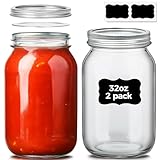
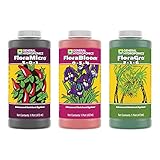
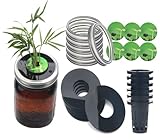
For a simple Kratky herb jar on a bright window: a wide-mouth mason jar, a Kratky lid, a few clay pebbles, a one-part nutrient powder, pH strips and seeds. The builder above adds those up at current Amazon prices. The lid kit and the bag of pebbles cover several jars, so the cost per plant falls with every grow.
How much does it really cost to start hydroponics?
It depends on the light more than anything. A Kratky jar on a bright window is the cheapest start, and a tray of microgreens on a window costs less still. A grow light, digital meters and a pump each add to the bill, and fruiting crops cost the most because they need a strong light even at the smallest size. The builder above gives the total for your setup at current Amazon prices.
Do I need a pH meter to start?
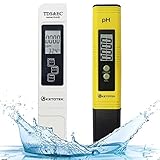
Not a digital meter. pH test strips cost $3.11 and are accurate enough for a beginner Kratky jar. A digital pH and EC meter is, however, the first upgrade most beginners make after their first successful harvest. Once you are running a DWC system or growing in quantity, though, a reliable digital meter becomes essential.
Do I need a grow light?
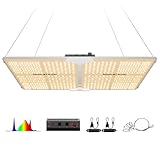
For herbs and leafy greens, your sunniest windowsill in summer may be enough for your first jar: south-facing in the US, UK and Canada, north-facing in Australia. However, for consistent results year-round, especially in autumn and winter, an LED grow light makes a dramatic difference. Fruiting crops like tomatoes and peppers always need a proper grow light regardless of window exposure. The Mars Hydro TS600 at $55.99 is a great starting point, or, instead, the VIPARSPECTRA P700 at $37.97 for a fanless, quieter option.
How do I stop algae growing in my mason jars?
Algae grows, in fact, anywhere light reaches nutrient solution. The cleanest fix, therefore, is blackout jar sleeves that slip over your mason jar in seconds. They are, too, washable and reusable. DIY alternatives include black tape or aluminum foil, but sleeves are easier to remove when checking root health. The blackout sleeves at $16.99, meanwhile, fit standard wide-mouth mason jars and take 2 seconds to slide on.
What is the quietest air pump for an apartment DWC?
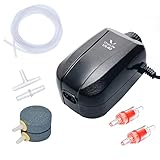
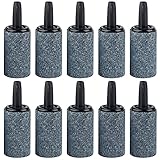
A small air pump is enough: something in the 2 to 5 watt range, like the Uniclife dual-outlet pump at $11.99, aerates a 3 to 5-gallon DWC bucket, and a smaller pump hums less. Most of the noise you hear is vibration passing into the shelf rather than the motor itself, so sit the pump on an anti-vibration pad, keep it above the water line with a check valve in the tubing, and let the tubing hang free so it cannot buzz against the bucket. An aquarium power filter is not a substitute: it moves water, but DWC roots need the fine bubbles from an air stone.
Do I need a heat mat for microgreens?
Not always. If your apartment stays at 65°F (18°C) or warmer, most microgreen seed sprouts without extra heat. If your room runs cooler, the VIVOSUN seedling heat mat at $11.39 sits under a standard 1020 tray and keeps the seed warm while it sprouts.
Why do I need EC calibration solution?
An EC meter that reads inaccurately is worse than no meter because it gives you false confidence. Calibration solution lets you verify your meter reads correctly before every grow cycle. The Bluelab 2.77 EC calibration solution is, overall, the standard reference for hobbyist growers. One 250 ml bottle, however, lasts a long time.
How often should I change my reservoir?
Top off daily with plain pH-adjusted water to replace whatever the plants drank, then do a full reservoir change every 2 weeks to clear the salts that build up as plants take nutrients out unevenly. Kratky is the exception. In a Kratky jar you never refill early, because the widening air gap is exactly what lets the upper roots breathe. A little 3% hydrogen peroxide, meanwhile, at reservoir-change time keeps the container clean between grows.