⏳ 24 min read · Last updated: September 2026
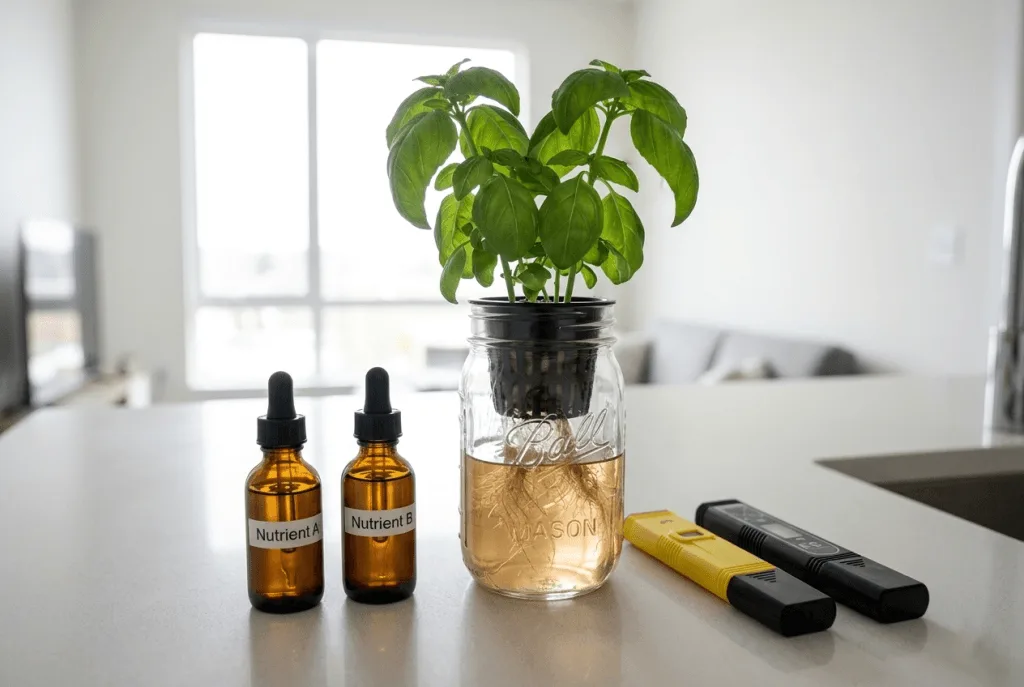
I often get asked if you can reuse hydroponic nutrient solution when living in a small apartment, and the answer depends on where that water goes. Back in my first studio, I ran a tiny Kratky method setup for growing basil on my kitchen counter. Every two weeks, I hauled gallons of cloudy water to the sink. It felt wasteful, though, to watch expensive minerals go straight down the drain. So to save money, I tried pouring old reservoir water into a fresh batch of lettuce seedlings.
Within a week, however, the new plants stunted and turned pale yellow. The leaves curled inward, and the fragile roots also stopped growing. That is how I learned that old water lacks the right balance of minerals for new growth. The earlier plants had already used up most of the nitrogen and left behind heavy waste salts. You’ll save yourself a lot of heartbreak if you learn exactly when to recycle that water and when to throw it away.
✅ Key Takeaways
- Do a full reservoir change every 2 weeks to prevent toxic salt buildup in your jars.
- Dilute old reservoir water with 50 percent plain tap water before feeding it to indoor soil plants.
- Never reuse old water for fresh hydroponic seedlings, because the mineral balance is already off.
- Keep root zone temperatures between 65 to 75°F (18 to 24°C) to delay bacterial growth in standing water.
- Use a reliable EC meter to track salt spikes before they cause fatal nutrient lockout.
- You grow easy herbs like basil or mint → dilute old water for houseplants
- You grow sensitive greens like cilantro → dump the water down the drain safely
- The water smells bad or looks cloudy → sterilize the jar and discard the liquid
- Not sure what is wrong yet → start with Why You Cannot Reuse Hydroponic Nutrient Solution Indefinitely
- You know the cause → jump to the relevant section below
- Why You Cannot Reuse Hydroponic Nutrient Solution Indefinitely
- How To Reuse Hydroponic Nutrient Solution For Houseplants
- Can You Reuse Hydroponic Nutrient Solution For Fresh Seedlings?
- Zero Waste Methods For Reusing Old Reservoir Water
- When To Dump Instead of Reusing Hydroponic Nutrient Solution
- How Long Can I Keep Hydroponic Nutrients Mixed?
- Which Plants Affect Whether You Can Reuse Hydroponic Nutrient Solution
- A Word From Sarah
- Frequently Asked Questions
🧪 Why You Cannot Reuse Hydroponic Nutrient Solution Indefinitely
You might wonder why you can’t keep adding water to a single mason jar forever. Plants consume different minerals at different rates depending on their growth stage. They also drink plain water faster than they take up heavier elements such as calcium. Because of this, the leftover liquid in your jar becomes a dense, unbalanced soup of rejected salts.
When you top off daily with plain water, you dilute these salts temporarily. However, the overall chemical balance remains broken. The nitrogen is gone, but dangerous levels of sodium or unused phosphorus remain behind. This imbalance therefore makes recycling hydroponic water risky for sensitive new roots.
📊 Why EC readings spike over time
Your EC meter measures the total amount of salts in the water. It can’t tell you which specific salts are present. You might start a fresh jar of basil at EC 1.6. Two weeks later, the meter might read EC 2.2 even though you haven’t added any fresh fertilizer.
This happens because the plant absorbs pure water through transpiration. Meanwhile, the remaining salts stay behind in a smaller volume of liquid. High EC in old water doesn’t mean the water is rich in food. Instead, it indicates a dangerous buildup of waste. You’ll need to use an accurate meter to test the liquid weekly to monitor this rise.
If you ignore this rising number, the high salt concentration pulls moisture out of the plant roots through reverse osmosis, causing severe wilting even when the jar is full of water. You’ll notice the leaves drooping during the day and recovering slightly at night. To stop this cycle, pour the old water out and start fresh rather than adding more nutrients.
→ EC and Nutrient Strength for Apartment Hydroponic Herbs and Lettuce
⚗️ The collapse of pH buffers
Hydroponic fertilizers contain chemical buffers designed to keep the water stable between pH 5.5 to 6.5. These buffers break down as roots excrete natural acids during nutrient uptake. When the buffers collapse, the pH will swing wildly from day to day.
For example, you might adjust the water to 6.0 on Monday, only to find it at 4.5 by Wednesday. When this happens, adding more pH Up will only add more potassium salts to an already toxic environment. You’ll spend more time fighting the chemistry than growing food. Performing a full reservoir change every 2 weeks is far less frustrating. If pH drift is a recurring problem in your setup, the guide on why hydroponic pH keeps drifting in small systems walks through every cause in detail.
If you let the pH drop below 5.0, heavy metals like iron become too available. The plant absorbs toxic amounts of these elements, so dark spots appear on the lower leaves. Conversely, if the pH drifts above 7.0, the plant can’t absorb iron at all. You can’t fix these extremes by pouring the broken water into a new setup.
🔍 What happens to missing trace elements
Hydroponic nutrients contain essential micronutrients such as zinc, molybdenum, and copper. Plants only need these elements in microscopic amounts, but they won’t grow without them. In a small apartment system, a mature basil plant can use up much of these trace elements within about ten days, especially under strong light.
When you reuse that depleted water, your next plant can suffer from mysterious deficiencies. You’ll see yellowing between the leaf veins or brittle stems that snap under their own weight. Adding a general fertilizer won’t replace the specific missing elements in the right ratios.
For instance, a lack of magnesium causes the older leaves to turn yellow while the veins stay green. Many beginners mistakenly add more base nutrients at this point, although that only raises EC. That only makes the salt buildup worse. Starting with fresh water, however, gives your plants access to every element they need.
| Week in System | Nitrogen Level | Waste Salt Buildup | pH Stability |
|---|---|---|---|
| Week 1 | Optimal | Low | Very Stable |
| Week 2 | Depleted by 50% | Moderate | Drifting daily |
| Week 3+ | Nearly empty | Toxic levels | Uncontrollable swings |
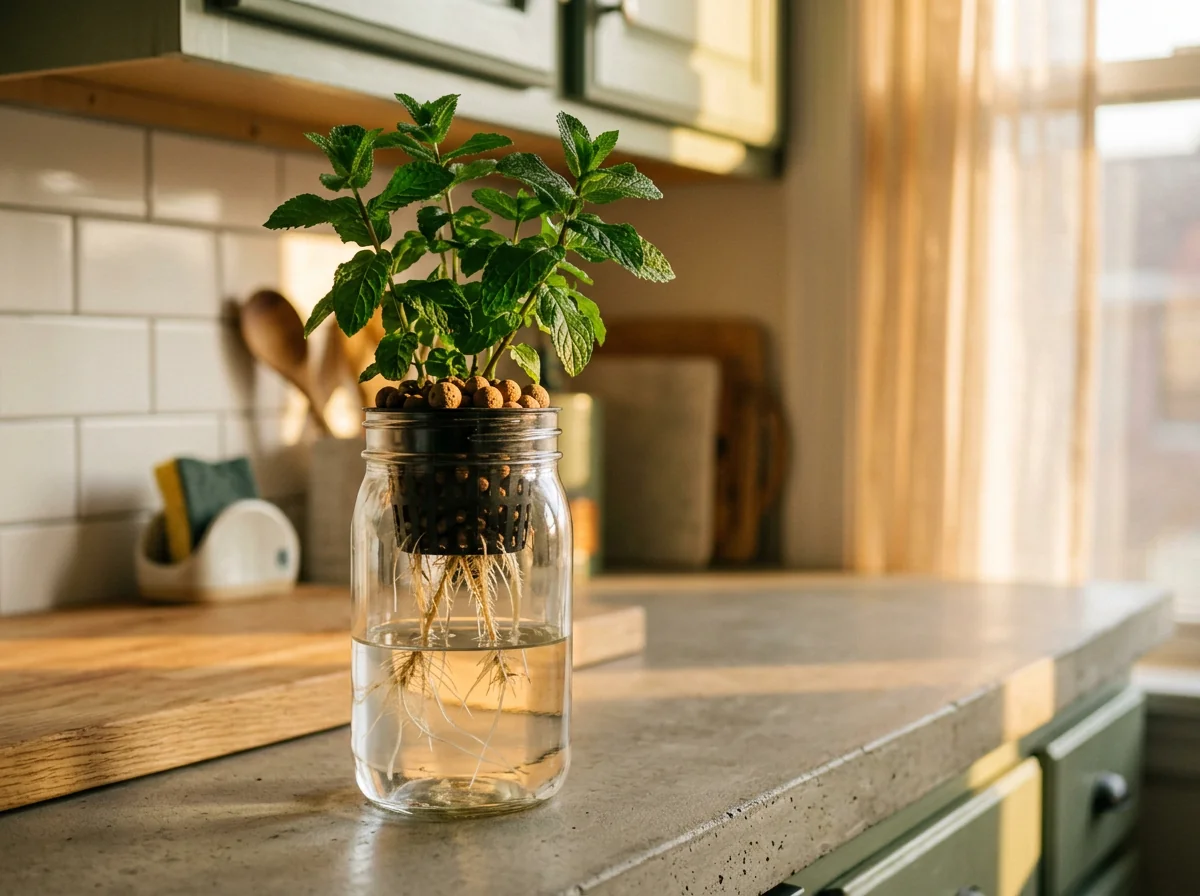
🩴 How To Reuse Hydroponic Nutrient Solution For Houseplants
You can reuse hydroponic nutrient solution on potted indoor houseplants with good results. After all, soil acts as a large natural buffer that protects roots from minor chemical imbalances. The microbes in potting soil also help hold and cycle the leftover nutrients your hydroponic herbs did not use.
However, you can’t pour the old water straight from your hydroponic reservoir into a potted pothos or monstera. The salt concentration is too high and will burn delicate soil roots. You need to prepare the water properly before applying it indoors.
💧 Diluting old water safely
To safely water your houseplants, you’ll need to cut the strength of the old solution. Soil plants also prefer lower fertilizer doses than fast-growing hydroponic herbs. If you skip this step, you’ll notice crispy brown edges on your houseplant leaves within days.
Follow this specific process to prepare old water:
- Pour the old reservoir water into a large mixing bucket or empty gallon jug.
- Measure the volume of the old water with a measuring cup so you can match it.
- Add an equal amount of fresh, lukewarm tap water so the solution is diluted by half.
- Check the temperature to ensure it sits between 65 to 75°F (18 to 24°C).
- Pour the diluted mixture evenly over the potting soil until it drains from the bottom.
This fifty-fifty ratio provides a mild dose of nitrogen without overwhelming the soil ecosystem. You’ll save money on houseplant fertilizer while keeping your apartment greenery lush.
🛠️ Managing salt in your potting mix
Even diluted hydroponic water contains residual salts. However, over several months, these salts accumulate in the soil, forming a white, crusty layer on the surface. To prevent this, you’ll need to flush the soil periodically with plain water.
That is why I recommend flushing your houseplants with plain tap water every third watering cycle. This flush pushes the accumulated salts out through the drainage holes before they build up. Never let your potted plants sit in a saucer full of runoff water, or they’ll reabsorb the toxic salts.
If you notice a heavy salt crust forming, scrape the top inch of soil away with a spoon. Replace it with fresh potting mix. When this happens, it’s a good sign you need to dilute your old hydroponic water even further before the next feeding.
🩹 What to do if your houseplants react poorly
Sometimes, specific houseplants won’t tolerate any recycled hydroponic water. Sensitive species such as calatheas, ferns, and peace lilies hate excess minerals in their soil. When you water them with recycled solution, their leaf tips will turn brown and the foliage will droop.
When a houseplant shows signs of stress, stop using the recycled water on it right away. Take the potted plant to your apartment bathtub or kitchen sink. Run lukewarm tap water through the soil for five solid minutes so the excess salts wash away.
Let the pot drain in the sink overnight before returning it to its regular spot. Stick to plain water for the next month while the root system recovers. Instead, reserve your recycled hydroponic water for hardier plants such as snake plants, ZZ plants, or monsteras.
→ How Often Should You Change Water In A Small Hydroponic System
→ Apartment Hydroponics: The Complete Beginner’s Guide
⚗️ Can You Reuse Hydroponic Nutrient Solution For Fresh Seedlings?
The short answer is no. However, you should never reuse hydroponic nutrient solution to start a fresh batch of indoor seeds. Young seedlings require precise, gentle nutrition because their first roots are so fragile. Old water, on the other hand, contains unpredictable mineral ratios that can stunt young plants quickly.
Commercial farms do recirculate their water for months at a time, but they use expensive laboratory equipment to do it safely. They test the exact levels of individual ions such as magnesium and sulfur. Since apartment growers only have basic EC meters, we can’t see which specific minerals are missing from the jar.
⚠️ The threat of nutrient lockout
When you place a new seedling into old water, it encounters a harsh chemical environment. Meanwhile, a high concentration of leftover potassium or calcium will block the seedling from absorbing other elements. In other words, this is nutrient lockout, and seedlings have almost no tolerance for it.
If you experience nutrient lockout, you’ll see these symptoms:
- Pale yellow leaves starting from the bottom of the plant
- Stunted, woody stems that refuse to grow taller
- Dark, brittle root tips that snap off when touched
- A crusty white ring around the plastic net cup
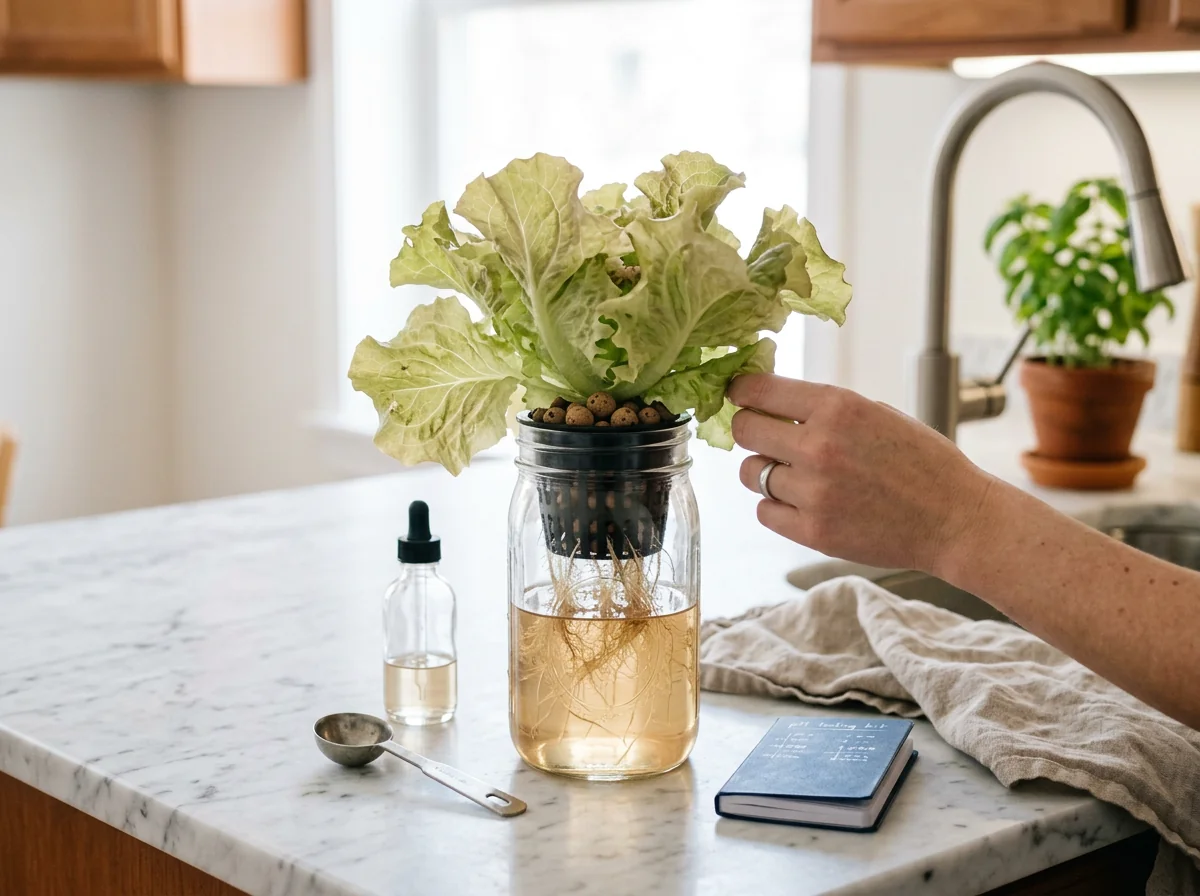
If you see these signs, you can’t save the water. Instead, empty the container, rinse the roots, and mix a fresh batch. Use the free pH and nutrient calculator to find the correct dosages for your reservoir size. It’s not worth risking your new seeds just to save a few pennies on fertilizer. If you’re just getting started, the hydroponic shopping list builder can help you put together the right supplies from scratch.
💧 Topping off versus full changes
Some beginners think adding fresh nutrients to old water will fix the imbalance, although it only stacks more salts on top. This is a dangerous mistake. Adding new fertilizer on top of old waste salts will push the EC reading past EC 3.0 burning the delicate roots in a matter of hours.
Top off daily with plain pH-adjusted water to replace what the plant drank. This also keeps the remaining nutrients diluted to a safe level. Once two weeks pass, perform a full reservoir change every 2 weeks to reset the baseline chemistry.
When you grow large, thirsty crops such as cherry tomatoes, you might need to change the water even more often. In fact, a mature fruiting plant can drain a small apartment reservoir in three days. In these cases, upgrade to a larger container rather than trying to micromanage a tiny jar.
🩺 Spotting early signs of seedling stress
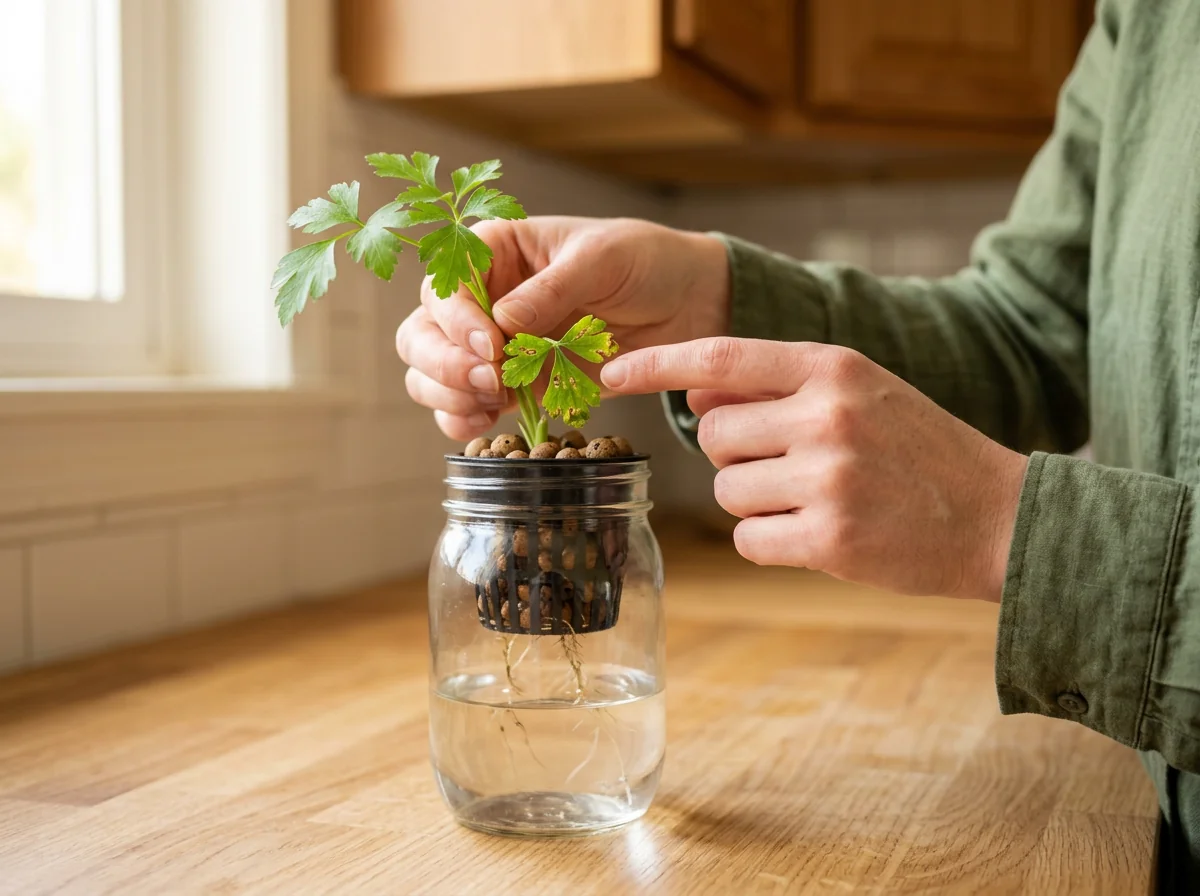
New seedlings are fragile. If you accidentally expose them to recycled water, they’ll show signs of stress fast. The first indicator is usually a halt in vertical growth. The tiny stem will thicken, but no new leaves will form at the top.
Next, the cotyledons (the first two seed leaves) will turn bright yellow and drop off early. While it’s normal for these leaves to fall eventually, it shouldn’t happen while the plant is less than an inch tall.
To fix this mistake, pull the net cup out of the harsh water. Run plain, lukewarm tap water through the rockwool or clay pebbles for a full minute so the waste salts flush out. Mix a very weak nutrient solution at EC 1.0 to 1.2 and place the seedling in the fresh jar. It might take a week before the plant recovers and starts growing again.
🔎 Quick diagnosis table
| What you see | Most likely cause | Check this first |
|---|---|---|
| 🟡 Yellowing lower leaves | Nitrogen depletion in old water | Perform a full water change |
| 🍃 Crispy brown leaf tips | EC spike from topping off with nutrients | Dilute jar with plain tap water |
| 🩺 Pale, twisting new growth | pH lockout from collapsed buffers | Test pH, adjust to 5.5 to 6.5 |
🌊 Zero Waste Methods For Reusing Old Reservoir Water
If you want to practice zero waste hydroponics, dumping water down the drain isn’t your only option. You can also reuse hydroponic nutrient solution in several eco-friendly ways around your apartment building. For example, balcony gardens and communal green spaces benefit from the leftover trace minerals.
Always verify the rules of your building before pouring liquids into communal planters. However, ask before using shared planters, since some landlords treat communal soil. A well-managed disposal routine also keeps your apartment clean and your environmental impact low.
🌿 Feeding outdoor balcony plants
Outdoor container plants generally tolerate leftover salts better than indoor houseplants. Rainwater naturally flushes outdoor pots, so salts do not build up the way they do indoors. You can usually pour old solution straight into outdoor planters, although diluting it first is still the safer habit.
Good outdoor candidates for old water include:
- Hardy ornamental shrubs and decorative grasses
- Large, established tomato or pepper plants in heavy soil
- Empty soil beds preparing for next season’s planting
- Aggressive vining plants like ivy or morning glories
When you have a hot, sunny balcony, outdoor pots dry out fast. Pouring your old reservoir water into these pots also saves you an extra trip with the watering can. Just be careful not to splash the salty water on the foliage, because it can leave white mineral spots on the leaves.
♻️ Adding old water to compost bins
When you maintain a small worm bin or Bokashi composter in your apartment, you can use tiny amounts of old nutrient solution to control moisture. Compost requires a balance of wet and dry materials to break down well. The trace nitrogen in old water also helps speed up composting.
However, you need to apply it in small amounts. However, soaking your compost bin will drown the helpful microbes and create a foul, anaerobic smell. I recommend using a spray bottle to lightly mist the dry cardboard layers in your bin with the old solution.
Worms love moisture, but they hate high salt environments. If you use a vermicompost setup under your sink, dilute the hydroponic water fifty-fifty with plain tap water before spraying it in. This also protects the sensitive skin of your composting worms from chemical burns.
💡 What to do if your compost gets too wet
If you accidentally pour too much old nutrient solution into your indoor compost bin, it’ll turn into a swamp. The airflow will stop, and your kitchen will soon start to smell like rotten eggs. You’ll need to fix the moisture balance right away to save the compost.
To dry out a soaked bin, tear up several unprinted cardboard boxes or brown paper bags. Mix these dry carbon sources deep into the wet compost. The paper will absorb the excess hydroponic water and restore the necessary air pockets.
Leave the lid of the compost bin off for a day to encourage evaporation. Next time you empty your hydroponic reservoir, pour the liquid down the sink drain instead. It’s safer to add plain tap water to your compost if you struggle with moisture control.
🚨 When To Dump Instead of Reusing Hydroponic Nutrient Solution
Sometimes, trying to reuse hydroponic nutrient solution is dangerous for both your indoor and outdoor plants. If your hydroponic system develops an infection, throw the water away at once. Pathogens spread fast in small apartment setups, and saving a few cents on fertilizer is never worth risking your entire garden.
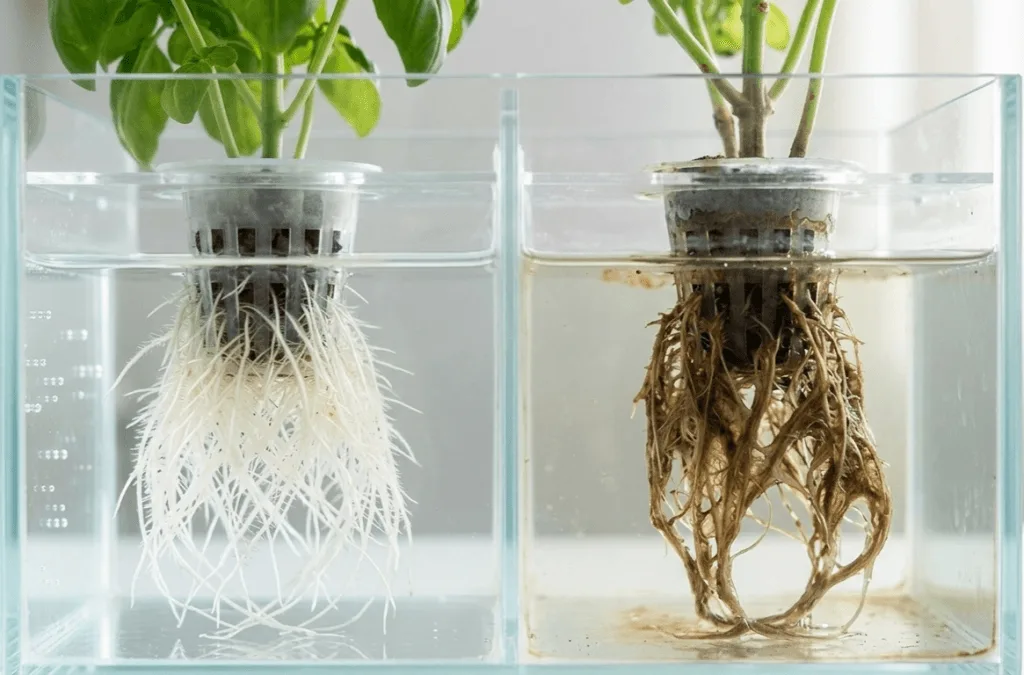
Inspect your reservoir every time you open it for a water change. Healthy roots look white or pale tan, and the water should smell earthy but clean. If you notice a foul odor resembling rotting vegetables, you have a serious problem.
🩹 Identifying root rot in the jar
Root rot occurs when water temperatures rise above 75°F (24°C) causing dissolved oxygen levels to plummet. Anaerobic bacteria multiply in warm water, attacking the root tissue and turning it to mush. Water infected with root rot contains millions of active bacterial spores. For a full breakdown of how to manage water temperature in a hot apartment, see the guide on small hydroponic system temperature problems and apartment fixes.
Signs that you need to dump the water down the drain include:
- Roots that are slimy, dark brown, or falling apart when touched
- A strong sulfur or swampy smell coming from the jar
- Thick, cloudy water that looks like murky soup
- A sudden, uncontrollable drop in pH below 5.0
If you pour this infected water into a communal garden or a houseplant pot, you’ll transfer the disease. The anaerobic bacteria will attack the soil roots next. Always pour diseased water straight down the toilet or sink drain, and flush it away with plenty of hot tap water.
✨ Safely sanitizing the container
If you dump infected water, you can’t just rinse the jar and start over. The bacterial spores cling to the glass and the plastic net cups. You need to sterilize the setup to prevent the rot from transferring to your next plant.
To clean out an infected reservoir:
- Remove the affected plant from the jar and discard the worst roots.
- Wash the glass jar with hot water and dish soap to remove the slime.
- Wipe down all surfaces with diluted hydrogen peroxide, never bleach.
- Rinse the container under running water to remove any chemical residue.
- Refill with fresh pH-balanced nutrient solution at EC 1.5.
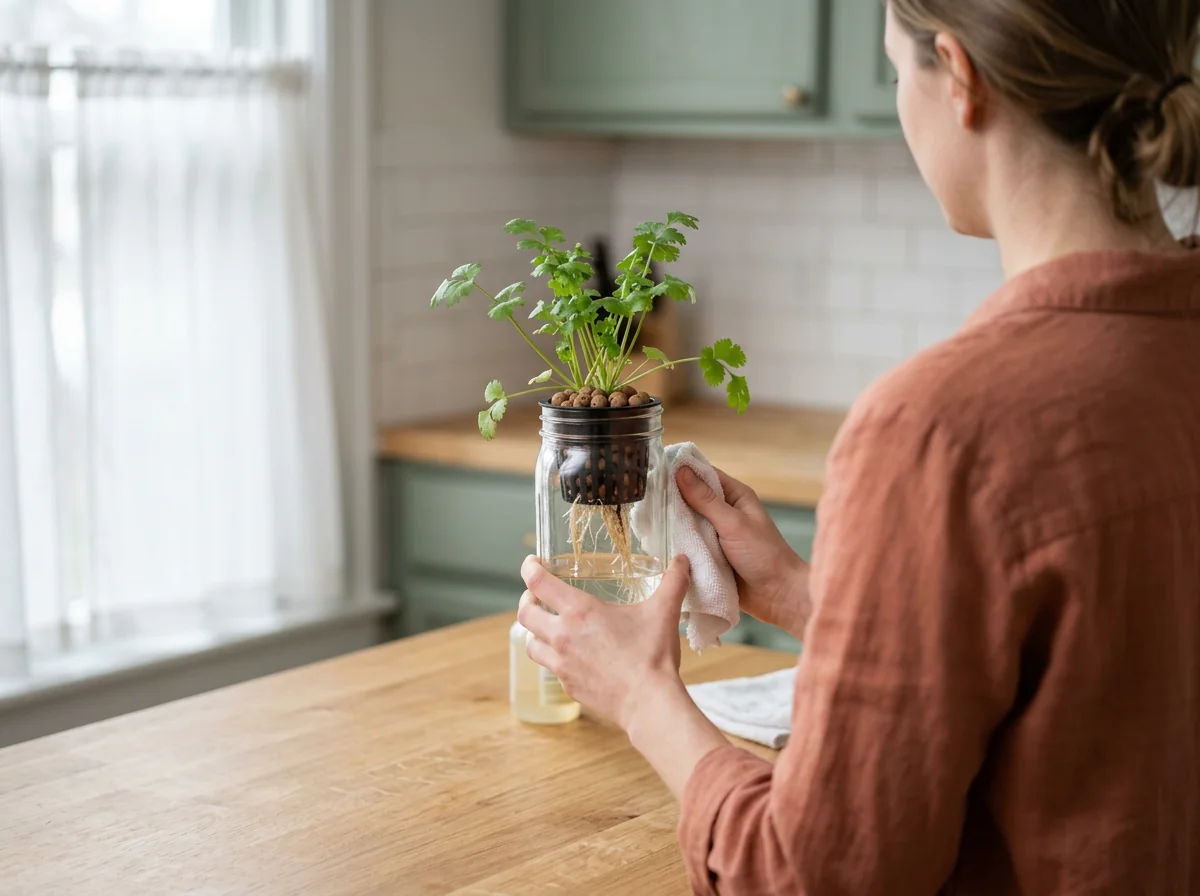
If the net cup is covered in hard-to-reach slime, soak it in a bowl of hydrogen peroxide for twenty minutes. Use an old toothbrush to scrub out the tiny plastic slats. A clean environment is a great defense against recurring root rot.
🧪 Chemical treatments and disposal limits
Many apartment growers use biological additives like Hydroguard to prevent root rot. These beneficial bacteria are safe to pour down the drain or into outdoor soil. They won’t harm the municipal water supply or your neighborhood gardens.
However, if you use harsh chemical fungicides to fight an aggressive infection, your disposal options change. Chemical treatments kill the beneficial microbes in potting soil and compost bins. If you try to recycle chemically treated water, you’ll ruin the microbial life in your houseplants.
Always read the label on your root treatments. If the bottle contains chemical fungicides, pour the old reservoir water down the city sewer drain. Flush the sink with cold water for a full minute to dilute the chemicals as they travel through your apartment pipes.
⏱️ How Long Can I Keep Hydroponic Nutrients Mixed?
You might want to mix a large batch of nutrients in advance to save time during your weekly maintenance routine. Storing pre-mixed water is a great apartment hack, but it comes with firm time limits. Once you dissolve fertilizer salts into tap water, the clock starts ticking.
Unlike dry powder, mixed water slowly degrades over time. The calcium and sulfur ions can bond together, forming an insoluble white powder that settles at the bottom of the jug. Once this happens, the nutrients are locked out and useless to the plant.
🔆 The importance of a dark storage closet
Light is the enemy of stored nutrient solution. If you leave a clear plastic jug of mixed water on your kitchen counter, stray light will trigger algae growth. Algae spores exist in municipal tap water, and they bloom fast when exposed to fertilizer and sunshine.
Always store your pre-mixed water in a dark, cool closet. Keep the temperature steady between 65 to 75°F (18 to 24°C). I recommend using opaque milk jugs or wrapping clear bottles in aluminum foil. Stored this way, a mixed batch will remain stable for up to two weeks.
If your apartment gets hot during the summer, the storage life of your mixed water drops. Warm water holds less dissolved oxygen, which encourages stagnation. If you don’t have air conditioning, mix only what you need for the current week.
🔍 Re-checking the chemistry before pouring
Even in a dark closet, the pH of your stored water will drift over a two-week period. The chemical buffers react with dissolved carbon dioxide in the air, lowering the pH. You can’t assume the water is safe just because you adjusted it last week.
Before you pour stored water into your hydroponic system, follow these steps:
- Shake the jug hard to mix any settled minerals back into the liquid.
- Test the pH to ensure it sits between 5.5 to 6.5.
- Check the EC to confirm evaporation hasn’t concentrated the salts.
- Smell the liquid to ensure no stale or swampy odors have developed.
If the pH has drifted, add a few drops of pH Up or pH Down to correct it. It’s much easier to adjust a storage jug than to chase pH swings inside a tiny glass jar filled with delicate roots.
⚠️ Recognizing precipitated calcium fallout
When you store mixed nutrients too long, a chemical reaction called precipitation occurs. The dissolved calcium binds with sulfur or phosphorus, creating a solid white flake. You’ll see these flakes resting at the bottom of your storage jug like a layer of snow.
Once calcium precipitates, it turns into a solid that roots can’t absorb. Shaking the jug won’t force the flakes to dissolve back into the liquid. If you pour this broken solution into your Kratky method jar, your plants will suffer from calcium deficiency within days.
You’ll notice new leaves curling inward and turning brown at the tips. To avoid this, inspect the bottom of your storage jug before pouring. If you see a thick white layer of sediment that won’t dissolve after shaking, pour the entire jug down the drain and mix a fresh batch.
🍃 Which Plants Affect Whether You Can Reuse Hydroponic Nutrient Solution
Not all plants deplete your reservoir water in the same way. The type of crop you grow dictates how toxic the leftover water becomes. Understanding these differences helps you decide if you can reuse hydroponic nutrient solution safely on your balcony or if it belongs in the sink.
Light feeding herbs act very differently than aggressive fruiting crops. You’ll need to tailor your disposal habits based on what is growing under your apartment grow lights.
🌿 Heavy feeders versus light herbs
Easy herbs like basil, mint, and chives are considered light feeders. They prefer a modest nutrient strength around EC 1.2 to 1.6 during their vegetative stage. Because they don’t consume large amounts of heavy minerals, their leftover reservoir water stays fairly balanced.
You can confidently dilute old basil or mint water for your indoor pothos plants. The waste salts are minimal, and the risk of soil burn is low. These easy herbs are forgiving and make an excellent starting point for beginners trying to recycle their water.
Heavy feeders like oregano and thyme consume specific trace elements fast. The leftover water from an oregano jar often contains a harsh imbalance of potassium. Dilute old oregano water and use it for strong outdoor patio plants rather than sensitive indoor species.
🍅 How fruiting plants alter the chemistry
If you graduate to growing micro cherry tomatoes or spicy peppers indoors, the chemistry changes. Fruiting plants require large amounts of potassium and phosphorus to produce flowers and fruit. You’ll often run these systems at a high EC 2.0 to 2.5.
When you empty a tomato reservoir, the old water is loaded with aggressive salt leftovers. The pH is often acidic, sometimes dropping down to 4.5. You can’t use this harsh liquid on delicate indoor soil plants.
Old water from fruiting crops should always go down the drain. The sheer volume of waste salts will crust over your potting soil and burn the roots of even the toughest snake plant. Save your recycling efforts for the mild water left behind by your leafy green herbs.
🥬 Managing water from cool-weather greens
Lettuce and spinach prefer cooler temperatures and lighter nutrient loads. They grow fast and leave behind relatively clean water. Old lettuce water is one of the safest liquids to add to a dry indoor compost bin.
Cilantro, however, is a medium-difficulty herb that requires precise conditions. It thrives in water kept around 65 to 67°F (18 to 19°C). When cilantro bolts in a warm apartment, it dumps stress compounds into the reservoir.
If your cilantro plant flowers and turns bitter, don’t try to reuse the water. The chemical profile changes when the plant shifts into its reproductive phase. Dump it down the sink and focus on keeping your next batch of water cool from the start.
🔗 Tracking your plant’s feeding stage
As your plants grow larger, they’ll consume nutrients at a faster pace. A tiny basil seedling barely makes a dent in a quart jar. A mature basil bush, in contrast, will drain the same jar in three days. You need to anticipate these shifts to decide when to reuse hydroponic nutrient solution and when to dump it.
Use the Seed to Harvest Countdown to track where your plant is in its lifecycle. Knowing when a plant enters its heavy feeding phase allows you to predict EC spikes and water change timing before problems appear.
💬 A Word From Sarah
I tried to save money last winter by keeping the same batch of nutrients for a countertop lettuce grow for eight weeks. I thought I could reuse the water forever if I just topped it off with plain tap water every few days. By week six, the pH crashed to 4.2 overnight. The roots on my Buttercrunch lettuce turned into foul, brown slime within forty-eight hours. I had to throw away three heads of beautiful greens right before harvest. Now, I do a full reservoir change every 2 weeks without exception, and my root systems stay bright white from seed to harvest.
❓ Frequently Asked Questions
🩴 Can I reuse hydroponic nutrient solution for indoor houseplants?
Yes, you can reuse hydroponic nutrient solution on potted soil plants. You need to dilute it with an equal amount of plain tap water first. This prevents salt buildup in the soil. Houseplants benefit from the extra nitrogen, but applying it at full strength will burn their roots within days.
⏱️ How long does mixed hydroponic nutrient solution last?
Mixed nutrient solution stored in a dark, cool place lasts about one to two weeks. Keep the temperature between 65 to 75°F (18 to 24°C). Light exposure causes algae growth, and high temperatures reduce dissolved oxygen, making the water unsafe for fresh seedlings.
🍃 Will old hydroponic water burn my soil plants?
It will burn soil plants if you don’t dilute it first. Old reservoir water often has concentrated salts because plants consume water faster than minerals. Always mix your old solution with plain water at a one-to-one ratio before pouring it into potting soil to avoid root burn.
🔍 Can I boil old hydroponic water to sterilize and reuse it?
Boiling old water kills pathogens but doesn’t fix the mineral imbalance. Heating the water concentrates the remaining salts even further as steam escapes. This practice harms new plants rather than helping them. It’s much safer to mix a fresh batch of nutrients for new hydroponic seedlings.
📊 Why does the EC rise in older hydroponic water?
Plants absorb plain water faster than they absorb heavy minerals. As the water level drops, the leftover salts become concentrated. This causes your EC meter readings to spike over time. High EC in old water indicates leftover waste salts, not usable plant food.
⚗️ Can I mix old and new hydroponic nutrients together?
Mixing old and new nutrients creates unpredictable chemical reactions. The leftover waste salts can lock out fresh minerals, preventing your plants from absorbing calcium or iron. Always empty the jar, clean it, and refill it with a fresh batch rather than combining old and new solution.
🛠️ Is it safe to pour old hydroponic water down the apartment sink?
Yes, small amounts of residential hydroponic water are safe for municipal drains. The mineral content is low enough that it won’t harm your plumbing. If you used chemical pH buffers or fungicides, run the cold tap while pouring the old water down the sink to dilute it.
Happy growing! 🌿
Sarah, Urban Hydro Space

Sarah Whitfield is the founder of Urban Hydro Space and an indoor gardening enthusiast dedicated to helping apartment dwellers grow fresh herbs and vegetables in small spaces. She researches hydroponic systems carefully from real specifications and verified buyer feedback, and shares practical tips and honest, clearly labeled product picks to make indoor gardening accessible for beginners.