⏳ 13 min read · Last updated: September 2026
Keeping the water temperature stable in a small hydroponic system often feels like a tough battle in a cramped apartment. My third-floor kitchen gets warm in July, causing my basil roots to turn brown over a single weekend. That is when I realized that a hot room means warm water, which stresses the plants. Instead of buying expensive aquarium chillers, I figured out practical ways to lower the heat on a budget. I want to show you how to protect your roots, even if your setup sits near a sunny window or a hot radiator.
Temperature is the thing most likely to go wrong in a small hydroponic system, and when it does, it goes wrong quietly. Keeping the reservoir stable is what lets your herbs absorb nutrients without trouble, especially in summer. Warm water holds less oxygen, so harmful bacteria thrive in it. Therefore, managing this heat becomes the foundation of successful apartment growing. If you’re still setting up your first system, the complete beginner’s guide to apartment hydroponics covers how to choose a container and location that avoids heat problems from day one. Let me walk you through my exact methods for keeping reservoirs cool, healthy, and full of life.
✅ Key Takeaways
- Keep your reservoir water between 65 to 75°F (18 to 24°C).
- Wrap clear containers with reflective foil or thick paper.
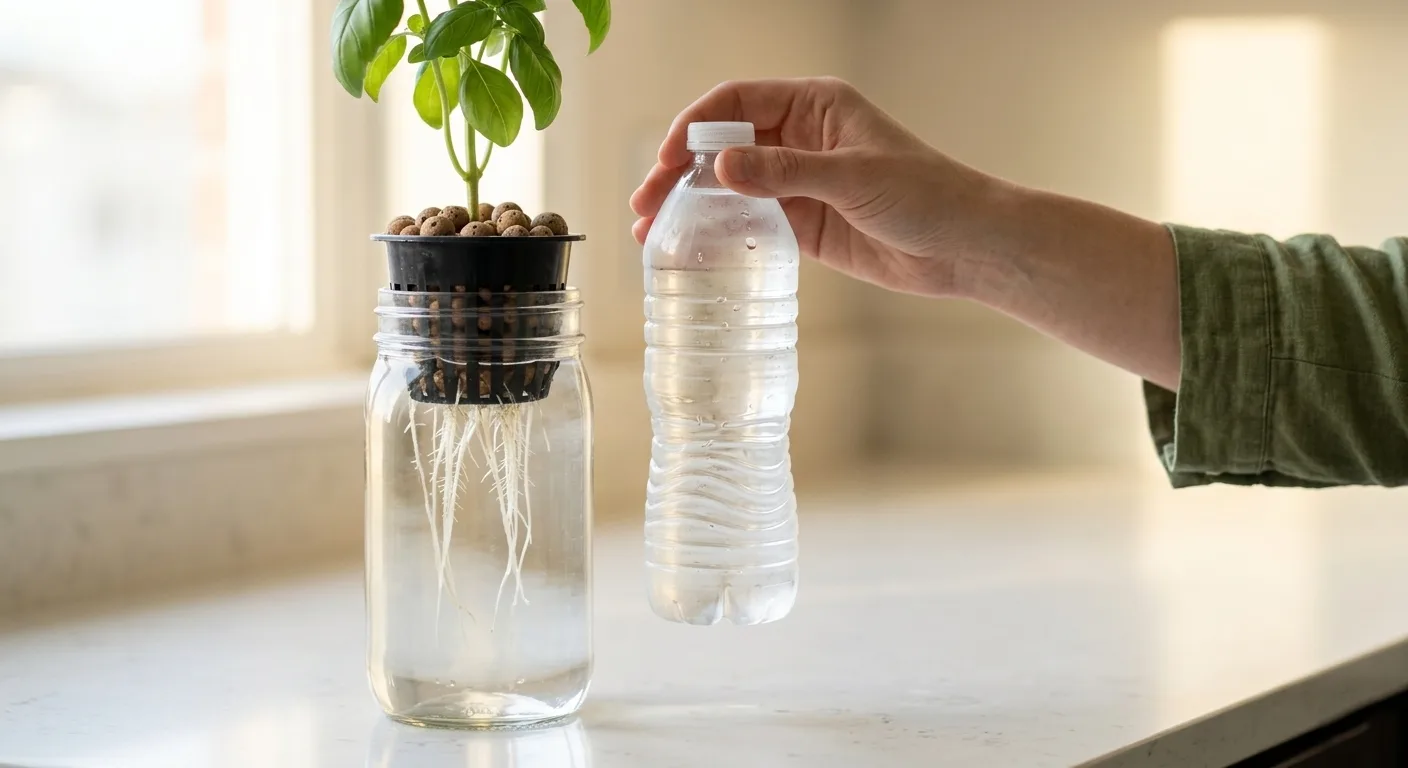
- Stand frozen water bottles against the outside of the reservoir to lower reservoir temperatures during heatwaves.
- Perform a full reservoir change every 2 weeks so slime cannot build up.
🔎 Quick diagnosis table
| What you see | Most likely cause | Check this first |
|---|---|---|
| 🟤 Slimy, brown roots | Root rot from high temps | Check water temp and smell reservoir |
| 🤢 Wilting leaves during the day | Low oxygen in warm water | Add an air stone or cool the reservoir |
| 🟡 Yellowing lower leaves | Nutrient lockout from heat stress | Measure pH and dilute EC |
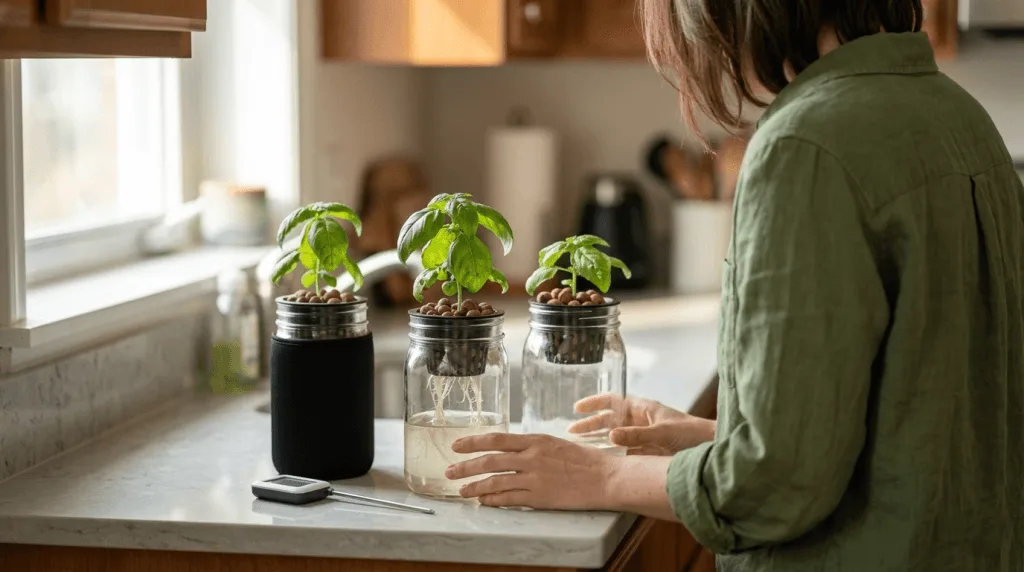
- Hot sunny windowsill → Kratky jars with reflective sleeves
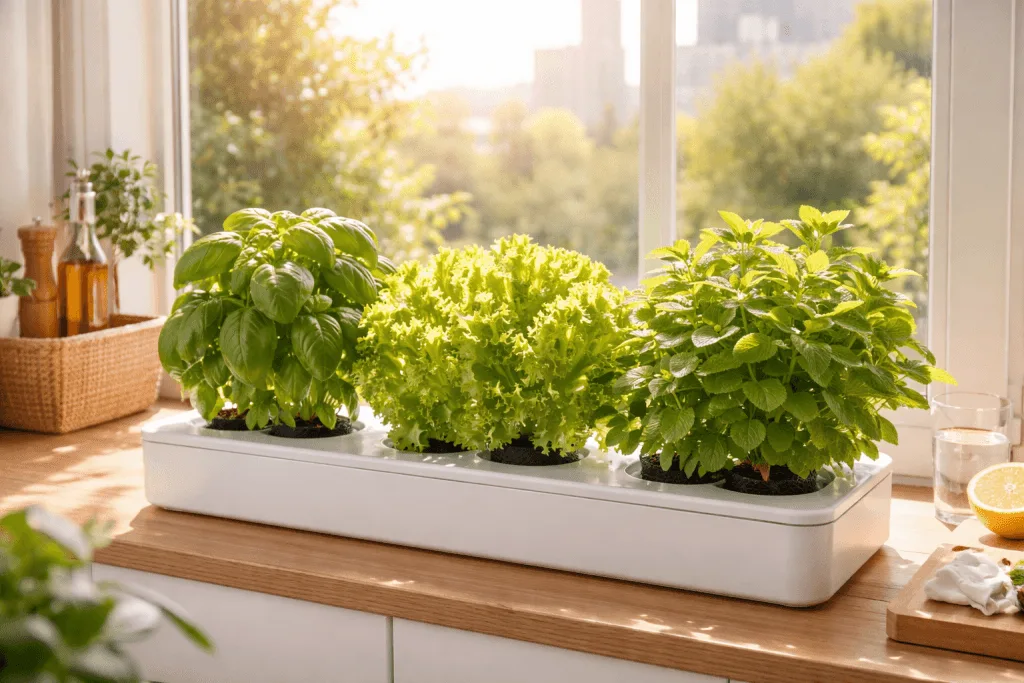
- Warm kitchen counter → Countertop smart garden with a desk fan
- Stuffy apartment closet → Small DWC tote with an air pump
- Not sure what is wrong yet → start with Recognizing Heat Stress
- You know the cause → jump to the relevant section below
🌡️ Recognizing Heat Stress In A Small Hydroponic System
First, you need to know what heat stress looks like. In a hydroponic water temperature small system context, however, changes happen fast. A single warm afternoon, for example, can heat a half-gallon jar enough to harm delicate roots. Consequently, watching for early warning signs saves your harvest before the damage becomes irreversible.
Many beginners mistake heat stress for nutrient issues. Before you add more fertilizer, examine the physical environment around your plants. For instance, testing your equipment using our free grow light calculator helps ensure your lights are not baking the plants from above. Let’s look at how to diagnose your issues by checking the leaves, the roots, and the water itself.
🔍 Reading the foliage for signs
Plants communicate through their leaves long before they die. If you notice drooping leaves during peak daylight heat is likely the culprit. The leaves might perk up overnight, but this daily stress weakens the plant over time. When roots sit in hot water, they cannot pull up moisture fast enough to keep the top of the plant hydrated.
Additionally, warm water often causes the lower leaves to turn yellow. This happens because the plant sacrifices old growth to keep new leaves alive. To understand this symptom better, read Why Your Apartment Hydroponic Plants Turn Yellow (And Simple Fixes That Actually Work). Paying attention to these visual clues therefore gives you time to react.
🧞 Inspecting the root zone
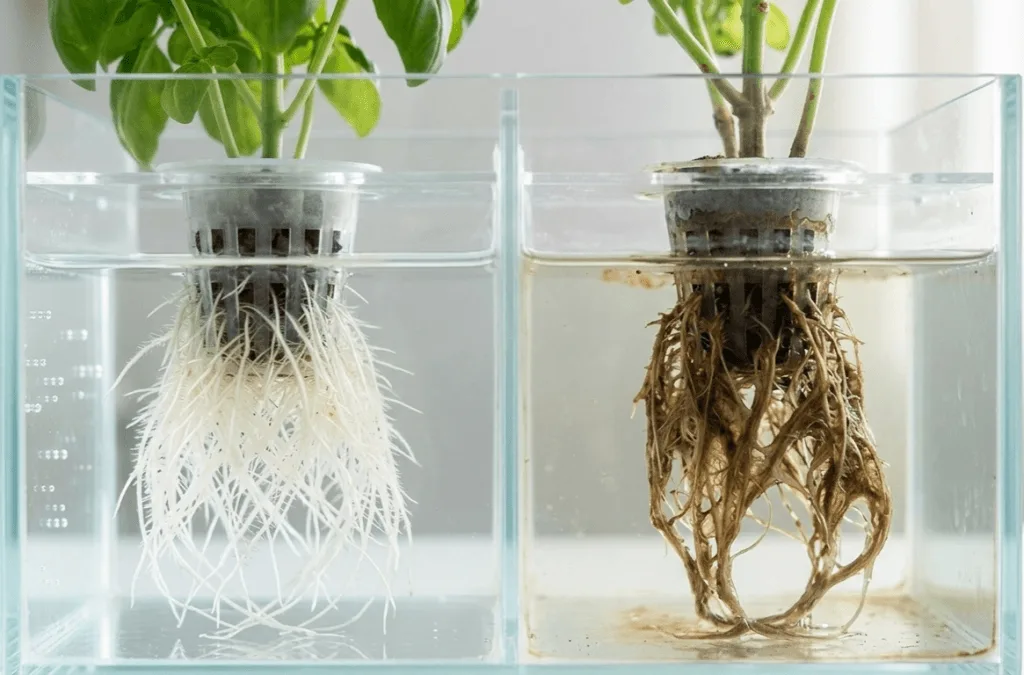
Next, lift the plant out of the system and check the root zone. Healthy roots look white, firm, and crisp like fresh bean sprouts. Heat-stressed roots, however, appear tan, soft, or clumped together in a messy ball. This transformation happens because warm water starves them of essential oxygen.
When the oxygen levels drop, the roots begin to suffocate. They soon lose their bright white color and take on a pale brown hue. Therefore, fixing the environment becomes your main priority. You must cool the water before those tan roots turn to complete mush.
👃 Smelling the reservoir water
A healthy reservoir smells like fresh rain or damp soil. However, a foul odor indicates serious trouble. When you detect a sulfur, swampy, or rotting scent, you must check water temp right away. Warm water accelerates the decay of dead organic matter sitting in your container.
When this happens, you have to act fast to save the setup. Bad smells therefore mean anaerobic bacteria have started consuming your plant from the bottom up. Use our free pH and nutrient calculator to prepare a fresh, cool batch of solution. Keeping an eye on these odors prevents disaster from spreading.
🥶 Cheap Ways To Cool A Hydroponic Water Temperature Small System
Lowering the heat is your top priority when summer hits. Maintaining an ideal hydroponic water temperature small system environment does not require an expensive electric chiller. For apartment growers, simple household items work wonders. These budget methods protect your roots without consuming extra electricity or taking up floor space.
Small volumes of water react to room air fast. As a result, insulating the reservoir matters just as much as cooling it. Let me share the practical tricks I use to safeguard my plants when my kitchen feels like a sauna.
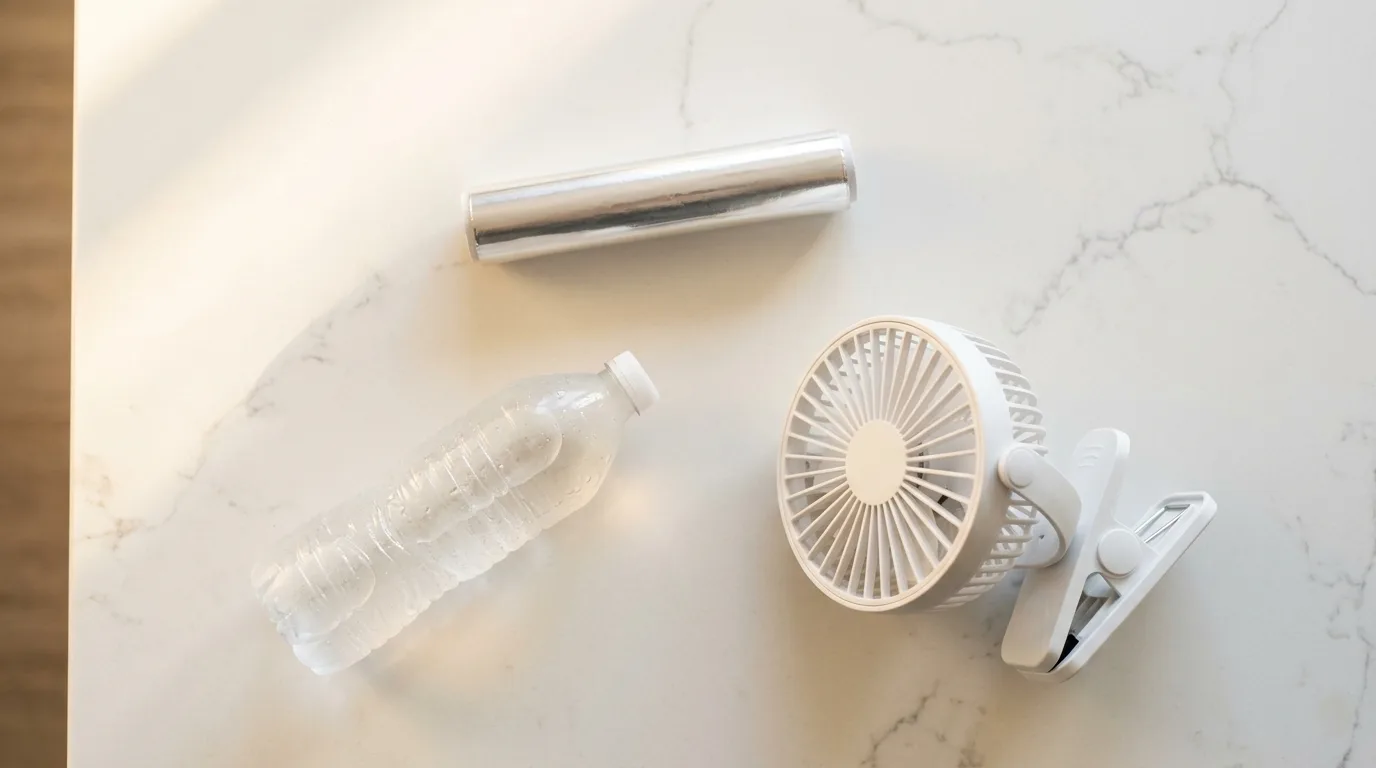
| Cooling Method | Expected Temp Drop | Effort Level |
|---|---|---|
| Frozen Water Bottles | 3 to 5 degrees | High (Requires daily swapping) |
| Reflective Foil Wrap | 2 to 4 degrees | Low (Set it and forget it) |
| Small Desk Fan | 1 to 3 degrees | Medium (Monitor water evaporation) |
❄️ The frozen bottle trick
Adding loose ice cubes directly to the reservoir dilutes your carefully measured nutrients when they melt. Instead, freeze water inside a clean, sealed plastic water bottle. Stand the sealed bottle against the outside of the reservoir during the hottest part of the afternoon. You must swap out frozen bottles twice a day to maintain the cooling effect.
This method works for a five-gallon tote or a larger bucket setup. It keeps the water cool and delays harmful bacterial growth. For more details on stopping pathogens, see How To Prevent Root Rot In Small Hydroponic Systems Before It Starts. Meanwhile, avoid using giant blocks of ice that might shock delicate root tips.
🪞 Using reflective materials on jars
Dark containers absorb room light and convert it directly into heat. Clear containers allow light in, causing algae blooms and warming the water like a greenhouse. Wrapping your containers in aluminum foil blocks light and reflects heat away from the jar. This simple barrier makes a massive difference for plants sitting in a sunny apartment window.
You can buy dedicated reflective tape or mylar sleeves if you want a cleaner look in your living room. Use our shopping list builder to grab the right supplies for your build. If you need step-by-step assembly instructions, check out Simple Apartment Friendly Kratky Setups You Can Build With Jars And Kitchen Supplies.
🌬️ Positioning a small desk fan
Evaporative cooling works wonders when you have limited space. Pointing a small clip-on desk fan at the surface of your water lowers the temperature by a few degrees. The moving air sweeps away the hot, humid layer hovering above the reservoir.
However, running a fan increases the rate of water evaporation. You will need to check your water levels more often. As the water evaporates, the nutrient salts stay behind, meaning you must top off the container with plain water to keep the balance safe.
🚰 Managing Oxygen When The Reservoir Gets Warm
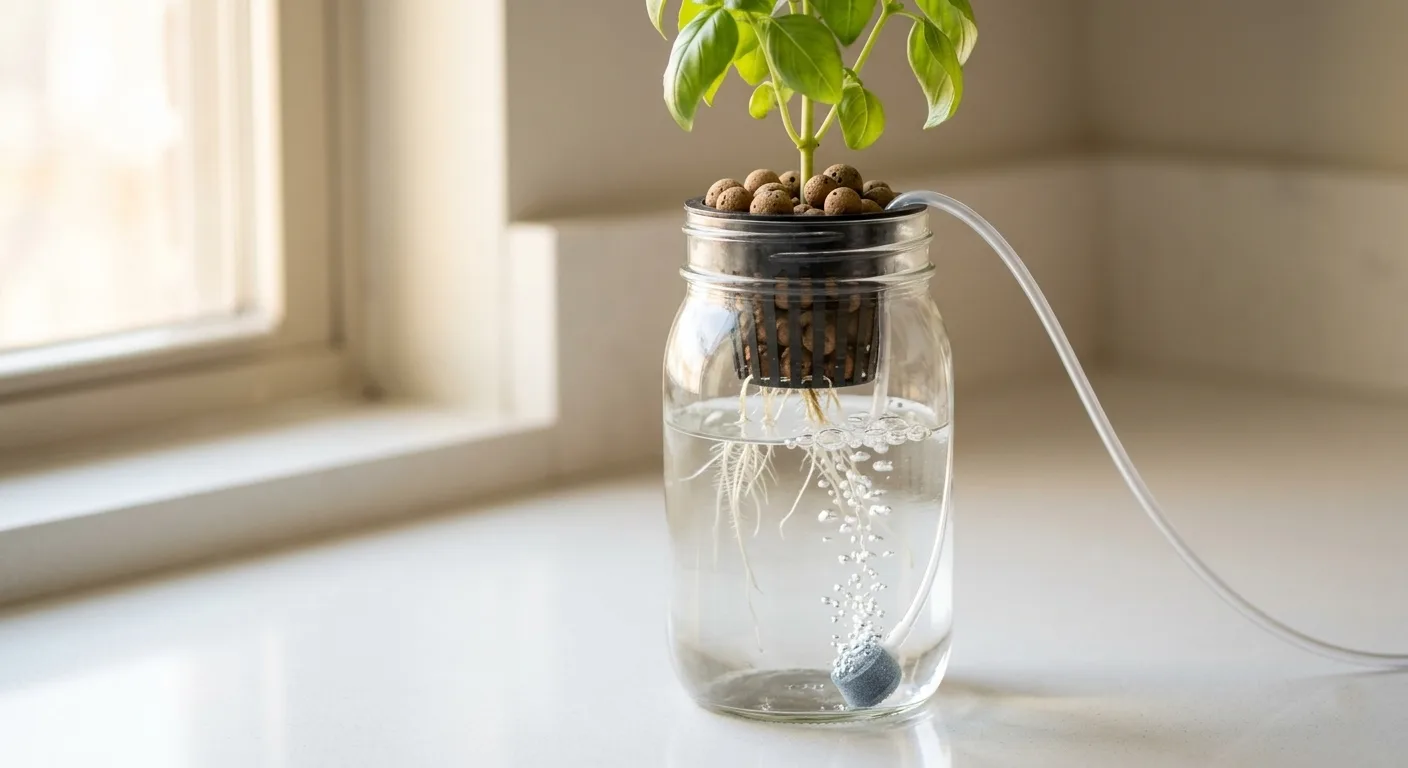
Warm water holds less dissolved oxygen than cool water. A reliable hydroponic water temperature small system setup requires plentiful oxygen to keep plants alive. Once the water passes 72°F (22°C), add aeration: an air stone in any DWC tote or reservoir makes up for the oxygen the warmth takes away. Above 75°F (24°C), the roots begin to choke even with air, so cool the setup.
Stagnant, warm water disrupts the biological balance of your containers. You have to introduce air artificially or adjust your container levels to expose more roots. Let me explain the two best ways to keep your plants breathing during a heatwave.
🫧 Adding a small air pump
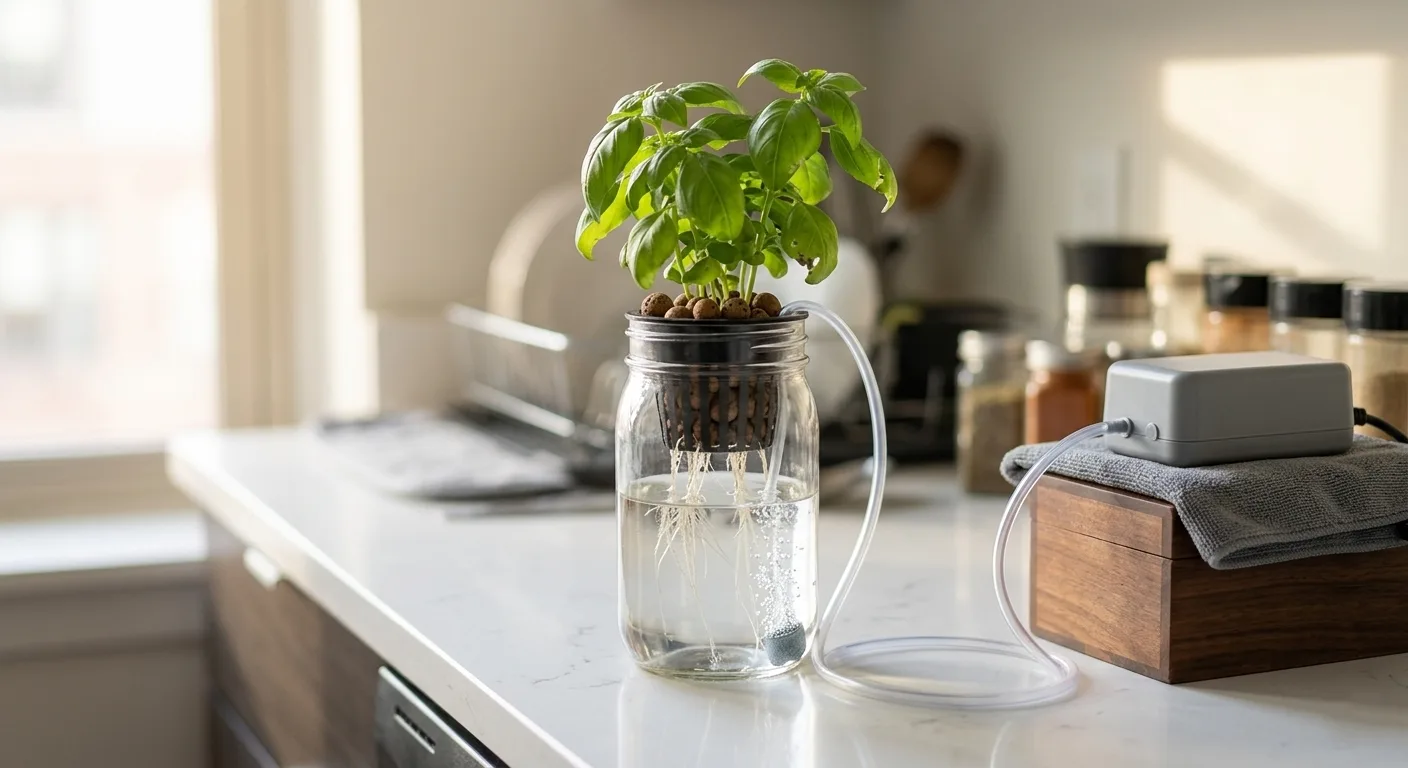
For deep water culture systems, oxygen is non-negotiable. You should run a small air pump 24/7 to agitate the surface. The rising bubbles break the water tension, allowing fresh room air to mix into the liquid. This extra oxygen helps the roots survive even if the water gets uncomfortably warm.
However, pumps cause vibrations that echo in small spaces. Both water and air pumps create noise that can exasperate apartment dwellers trying to sleep. Place a folded towel or an old mousepad under the pump to muffle the sound. For more soundproofing tricks, read How To Quiet A Noisy Hydroponic Pump So Your Apartment Stays Relaxing.
🌊 Letting the air gap form in passive jars
If you use passive setups like mason jars, the air space looks after itself. At setup the bottom of the net pot sits in the solution. As the plant drinks, the level falls and leaves an air gap, typically 1 to 2 inches by the time roots are out of the cup. That gap exposes the upper roots to the air, letting them breathe while the lower roots drink. Never refill the jar to the brim, and if a long crop runs low, add a little nutrient solution, no more than about an inch.
This method saves plants during sudden temperature spikes without any extra equipment. It requires no electricity and works well in tight window spaces. To understand the differences between passive and active aeration, explore Deep Water Culture vs Kratky for Tiny Apartments: Which Is Easier for Beginners?.
🛡️ Preventing Root Rot During Summer Months
Because of this heat, nasty pathogens thrive in your tiny reservoirs. Maintaining a proper hydroponic water temperature small system environment stops these issues before they take over. Warm water acts as an incubator for the fungi that destroy delicate root systems. Consequently, strict hygiene becomes your best defense against losing a crop.
Ignoring cleanliness guarantees failure when the weather gets hot. You must adopt a preventative routine to manage the health of your setup. Let’s look at what to do when rot appears, how to clean it up, and how to stop it from returning.
✂️ Trimming away damaged roots
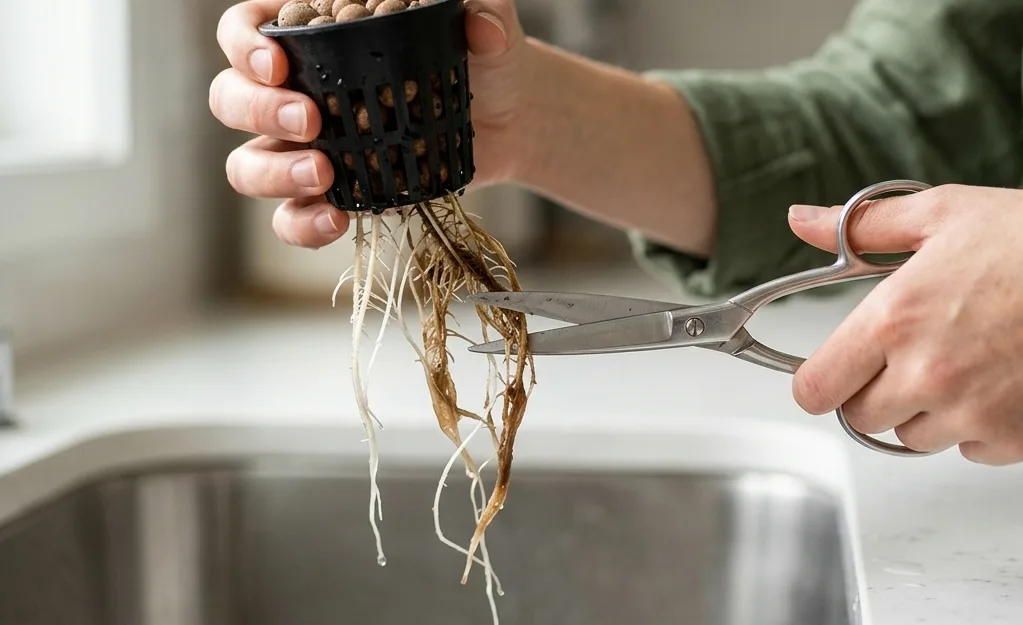
If you catch root rot early, you can sometimes save the plant. First, pull the net pot out and take it to your kitchen sink. You must trim away mushy brown roots using scissors sterilized with rubbing alcohol. Make sure to leave the healthy white strands intact so the plant can still drink.
Next, gently rinse the remaining roots under cool, running tap water. Be careful not to use freezing cold water, as this shocks the plant system. After treating the plant, use our seed to harvest countdown to see if starting fresh makes more sense than nursing a sick, stunted plant.
🧪 Flushing with mild peroxide
After trimming, some growers use a mild hydrogen peroxide flush to kill remaining bacteria. A diluted mixture of 3 percent peroxide can sanitize the root zone. However, this method has limitations because peroxide kills good and bad microbes alike, leaving the plant vulnerable to a second infection.
Because of this, adding a beneficial bacteria supplement offers a safer long-term alternative. These good microbes colonize the root zone and outcompete the pathogens that cause slime. Using beneficial microbes builds a resilient defense system for your roots.
🧹 Scrubbing out the slime
Routine maintenance keeps the slime away for good. You should commit to a full reservoir change every 2 weeks. Dump the old, warm nutrient solution down the drain, taking care not to spill it on your apartment floor. Scrub the inside of the container with hot soapy water and a dedicated brush to remove the slippery biofilm clinging to the plastic.
If you skip the physical scrubbing, the invisible biofilm protects the bacteria from your rinsing efforts. A fresh, clean reservoir resets the environment. For a detailed guide on scrubbing tight containers in a tiny kitchen, read How To Clean A Small Hydroponic System Without Making A Mess In Your Apartment.
⚖️ Fixing Nutrient Imbalances Caused By Heat
Heat changes how plants consume their food. When your hydroponic water temperature small system spikes, nutrient levels fluctuate fast. Plants consume more water to cool themselves through their leaves, leaving the mineral salts behind in the container. This causes the concentration of your solution to skyrocket overnight.
If you ignore these rapid changes, your plants suffer from severe nutrient burn. Stabilizing the chemistry in a small volume of water requires daily attention during summer. Here are the adjustments you need to make to keep the balance safe.
💧 Adjusting pH for warm water
Temperature directly affects pH stability in small containers. As the water warms up, the pH tends to drift upward faster than usual. You must keep pH between 5.5 and 6.5 for optimal absorption. Test the water daily during a heatwave.
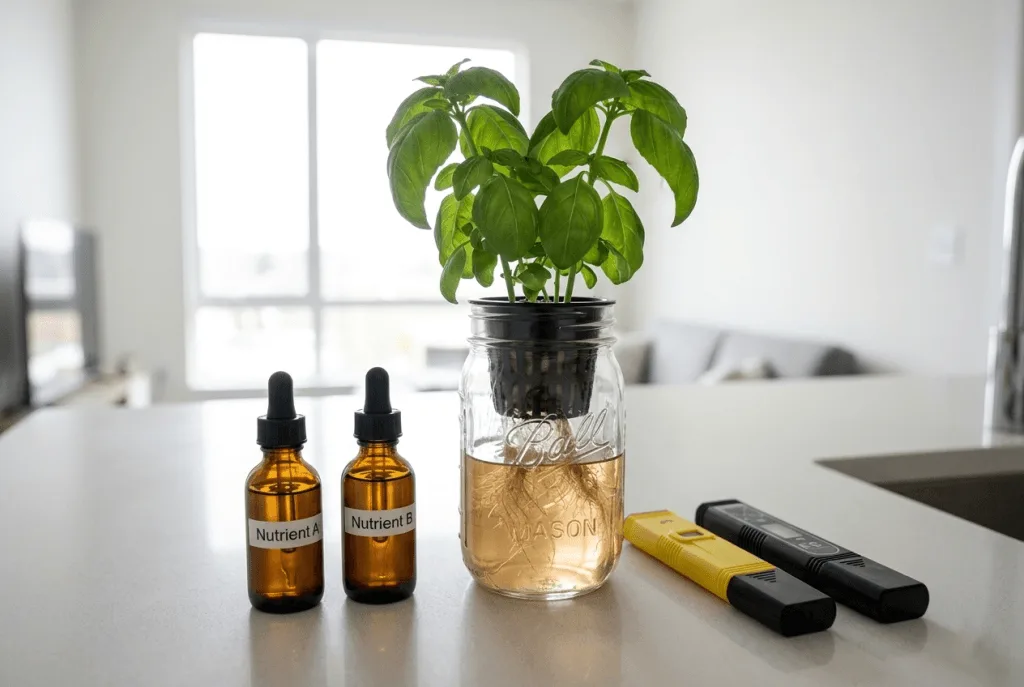
Use a reliable digital pen rather than cheap test strips for accuracy. If you need help choosing reliable equipment, read Best pH Meter for Hydroponics Beginners (Honest Apartment Review). Making small daily adjustments prevents the pH from locking out essential minerals like iron and calcium.
📊 Diluting the nutrient strength
Because plants drink massive amounts of water in the heat, the leftover salts become toxic to the roots. To prevent this burning effect, lower your EC to 1.2 during hot months. A weaker solution ensures the plant stays hydrated without scorching the delicate leaf tips.
Top off the reservoir with plain, pH-balanced water every evening. This dilutes the concentration back to a safe level before the sun rises again. If you struggle with mixing ratios or figuring out when to dump the old water, read How Often Should You Change Water In A Small Hydroponic System for a clear schedule.
→ Beginner Guide To Growing Hydroponic Lettuce In A Countertop System
→ How Far Should Grow Lights Be From Hydroponic Herbs On A Small Shelf
→ The 3 Best Countertop Hydroponic Systems for Apartment Beginners (2026)
→ How To Start Hydroponic Seeds In Rockwool Without Damping Off
💬 A Word From Sarah
Summer is when a winter routine turns against you. Mint that is fine at EC 2.4 in January can scorch in July, because warm water makes the plants drink faster and the salts left behind climb past the top of the range. Mixing nearer EC 2.0 and adding a small desk fan is the adjustment, since following winter rules during summer ends badly. Adapt your routine, watch the numbers, and you will beat this specific hydroponic water temperature small system challenge.
❓ Frequently Asked Questions
🌴 How do I lower the temperature of my hydroponic water?
You can stand frozen water bottles against the outside of the reservoir, wrap your containers in reflective materials to block heat, or use a small desk fan to increase air circulation. These methods keep your environment stable without expensive chillers.
💧 What is the best temperature for indoor hydroponics?
The ideal range is between 65 to 75°F (18 to 24°C). Keeping water in this zone ensures optimal oxygen retention and prevents harmful pathogens from attacking the roots. Monitor your setup daily during summer months.
🥤 Can I put ice directly in my nutrient solution?
Avoid putting bare ice cubes directly into the water. Melting ice dilutes your nutrient solution and alters the pH balance. Instead, stand sealed frozen water bottles against the outside of the container to cool your setup safely.
☀️ Why is my hydroponic water getting so hot?
Warm ambient room temperatures, direct sunlight from nearby windows, and heat emitted by LED grow lights all warm up small reservoirs. A smaller volume of water heats up faster, making management critical in apartments.
⏱️ How often should I check the water temperature?
Check the reservoir temperature at least once a day, preferably during the warmest part of the afternoon. Frequent checks help you catch spikes early and maintain a healthy balance.
🪺 Does warm water cause root rot?
Yes, warm water holds less dissolved oxygen and creates an ideal breeding ground for harmful bacteria. This combination stresses the plants and often leads to root rot if the setup remains too hot.
🩺 How do I know if my water is too hot without a thermometer?
If the reservoir feels warm to the touch, smells like sulfur, or if your plant leaves droop during peak light hours, the water is too hot. Invest in a basic digital thermometer to measure your levels accurately.
Happy growing! 🌿
Sarah, Urban Hydro Space

Sarah Whitfield is the founder of Urban Hydro Space and an indoor gardening enthusiast dedicated to helping apartment dwellers grow fresh herbs and vegetables in small spaces. She researches hydroponic systems carefully from real specifications and verified buyer feedback, and shares practical tips and honest, clearly labeled product picks to make indoor gardening accessible for beginners.