⏳ 8 min read · Last updated: March 2026
Setting up a quiet hydroponic pump apartment system was my biggest hurdle when I first started indoor growing. I lived in a tiny studio, and my first Deep Water Culture bucket buzzed like an angry wasp. The relentless humming ruined my sleep for weeks. Eventually I learned a few simple tricks to isolate vibrations and dampen motor sounds, and I want to share my exact method so you can skip the frustrating part entirely.
☘️ Why a Quiet Hydroponic Pump Apartment Setup Matters
Small living spaces amplify every sound you introduce. Hard kitchen countertops and bathroom tiles bounce soundwaves aggressively around the room, and you are usually sleeping just a few feet from your indoor garden. A typical garage grower barely notices a vibrating air motor, but that same hum bounces off studio walls and becomes unbearable fast. Focusing on noise reduction early saves you from unplugging the whole garden in defeat.
- A quiet hydroponic pump apartment setup requires isolating vibrations from hard floors.
- Submersible water pumps run much quieter than external air models.
- Hanging equipment or placing it on thick sponges drastically reduces noise levels.
- Cleaning your system regularly prevents backpressure that strains motors.
- Want to understand the noise problem first → read Why It Matters
- Ready to fix it right now → jump to Step-by-Step Build
- Already set up but still noisy → skip to Common Mistakes
- Want to prevent future noise → go to Weekly Care
🔎 Quick-start table
| What | Target | Why it matters |
|---|---|---|
| 🔊 Target noise level | 30 to 50 decibels | Mimics a quiet library, ideal for apartment living. |
| 💧 Water gap | 3 inches minimum | Keeps submersible units from vibrating against bucket walls. |
| 🔄 Maintenance | Every 2 to 3 weeks | Removes clogs that force the motor to work harder. |
Normal setups versus apartment setups
A standard greenhouse setup relies on large, powerful motors bolted to metal racks. An apartment grower needs compact, isolated equipment instead. That means modifying how you mount your hardware and prioritizing soft resting materials over rigid permanent mounts. If you copy a commercial design in a tiny kitchen, the echo doubles the noise. Keeping everything small and padded is the most reliable approach.
📋 What You Need to Silence Water and Air Pumps
Essential dampening materials
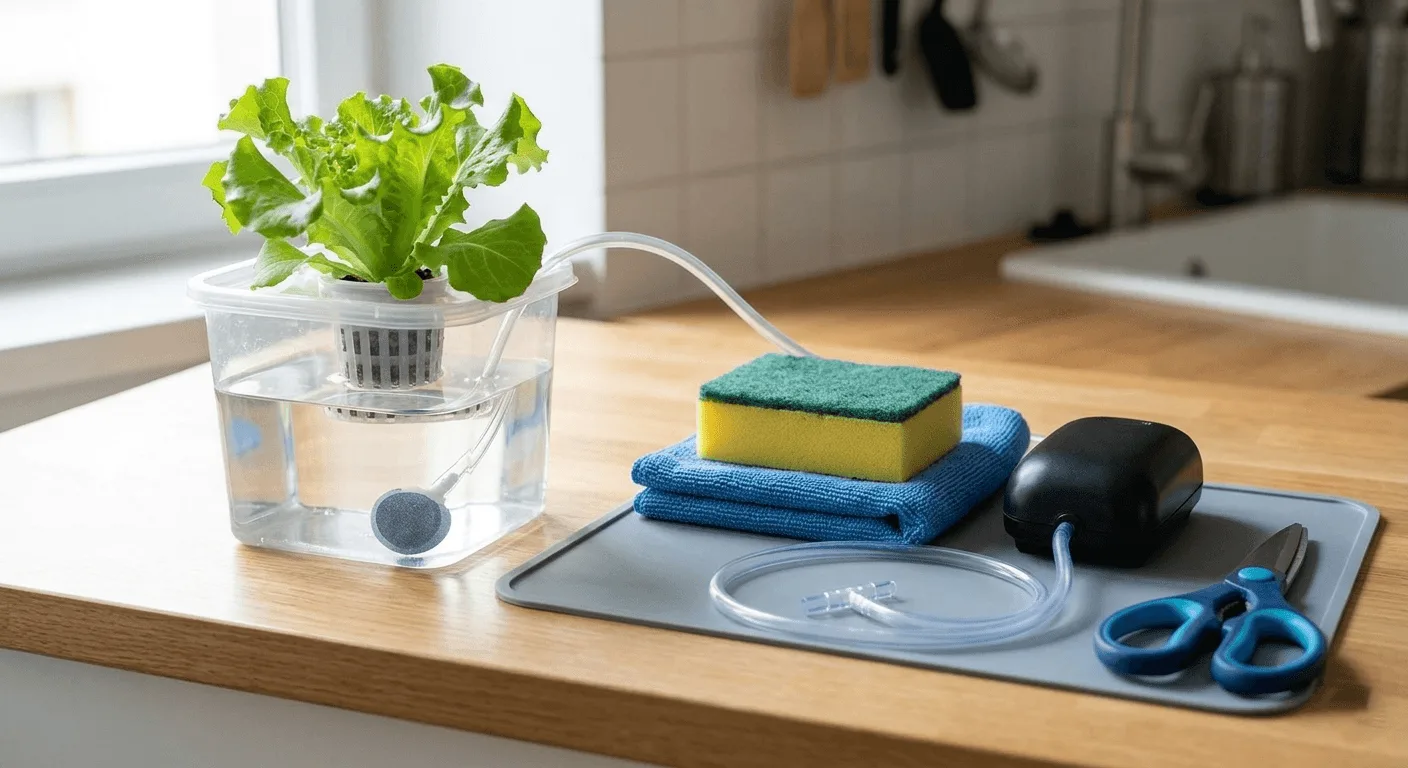
You do not need expensive studio foam to silence your gear. Basic household items work well for vibration control. A simple 1/2-inch thick silicone mat absorbs the rattling of a submersible motor completely. Folded microfiber towels underneath your main reservoir stop noise from traveling into your floorboards. If those materials fall short, try placing a thick kitchen sponge directly under your external air motor. That small change stops the hard plastic casing from tapping against your shelf.
Tools for modifying your setup
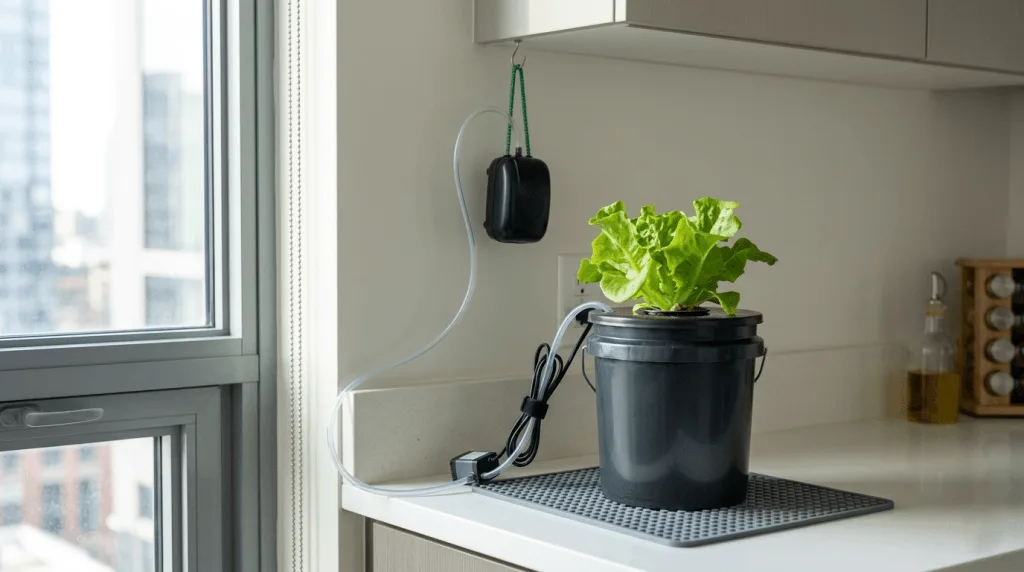
External air pumps make noticeably more noise than submersible water pumps, so placement matters. A reliable option for most apartment growers is hanging the air unit from a short bungee cord so the motor floats in mid-air and transfers zero vibration to your desk. You will also need sharp scissors to trim your 1/4-inch airline tubing. Keeping the line as short as possible reduces backpressure on the internal diaphragm. If shortening the tube does not help, check for sharp bends that restrict airflow.
✅ Step by Step: Achieving a Quiet Hydroponic Pump Apartment Build
Isolating the air pump vibrations
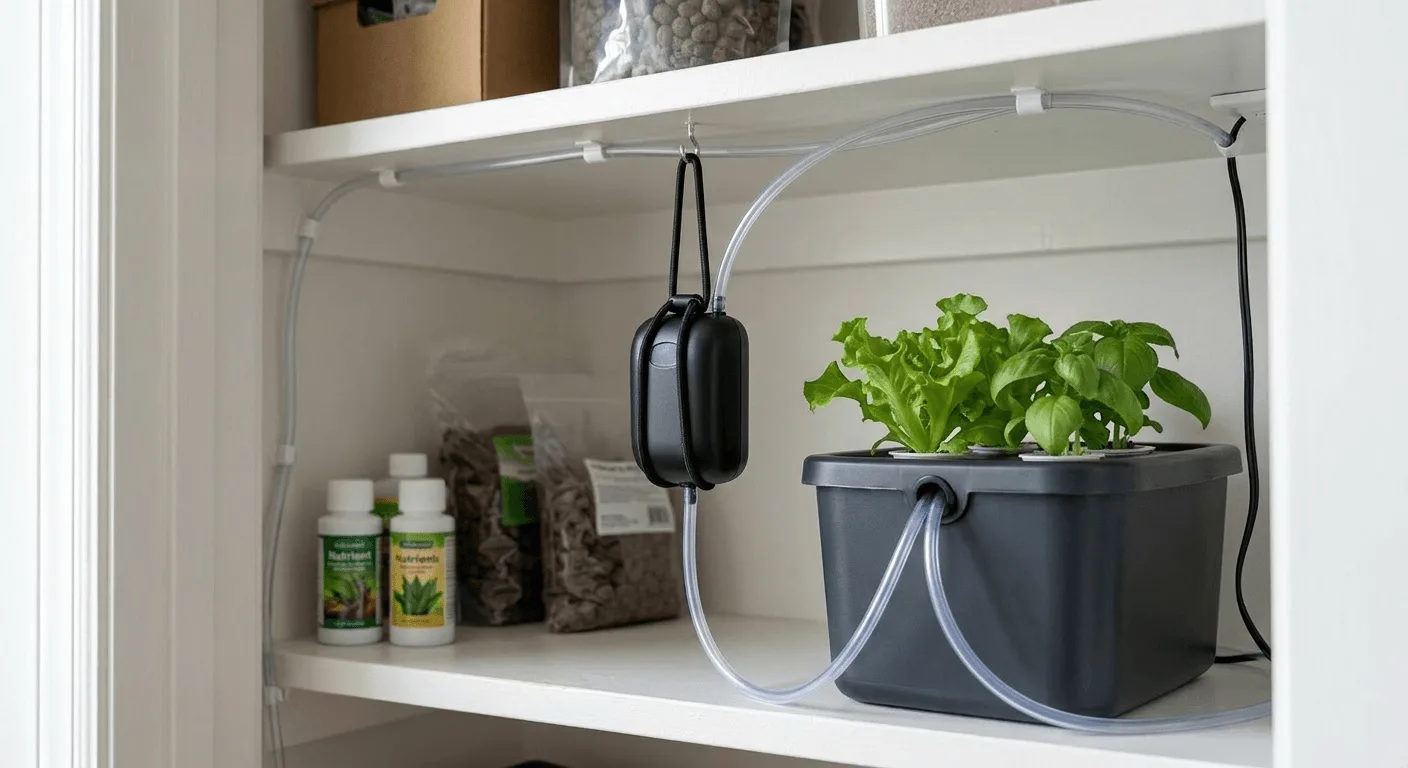
Start by addressing the loudest piece of equipment in your garden. Set your external air motor on top of a dense piece of foam or an old mousepad. Better still, loop a bungee cord around a shelf bracket and hang the motor. This suspension makes it operate almost silently. Route the plastic tubing smoothly toward your reservoir with no harsh angles or pinches. If a hum persists after suspending the unit, try adjusting the tubing angle to 45 degrees where it enters the lid.
Submerging and positioning water pumps
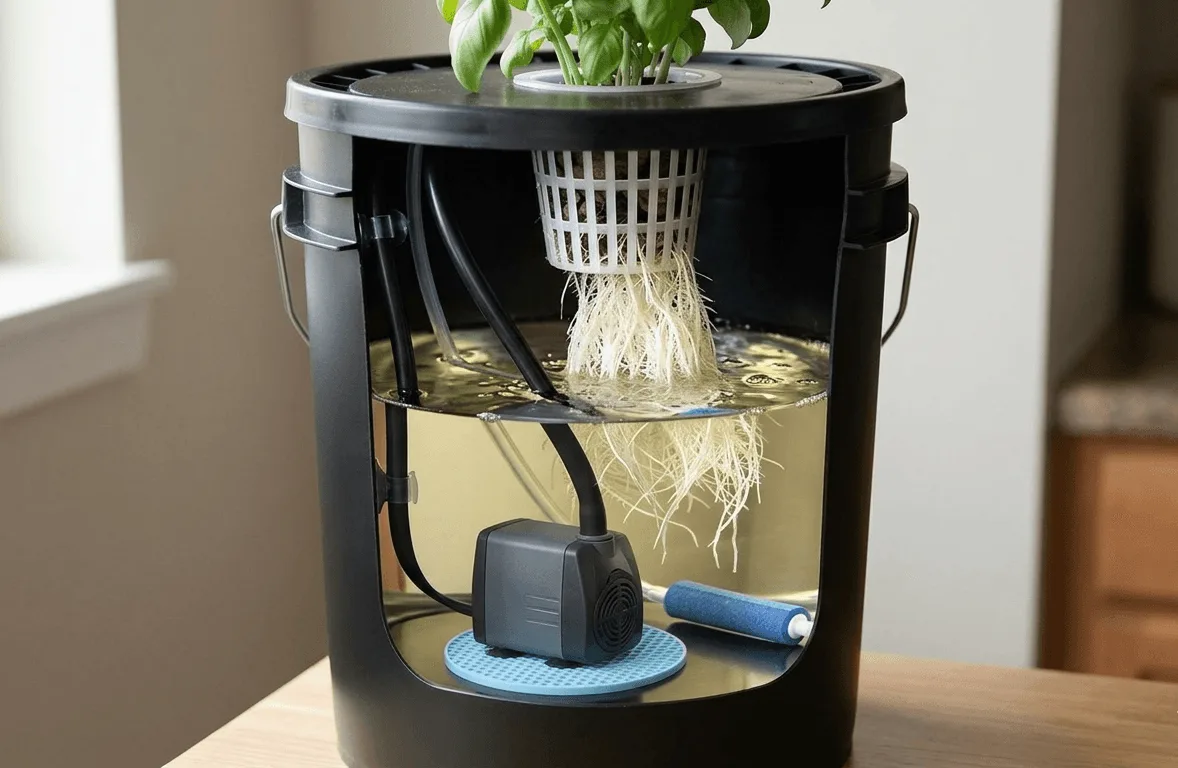
Submersible models naturally use the surrounding liquid to muffle their operation. If they touch the side of your plastic bucket though, they rattle loudly. Always place them on a soft pad or secure them to the bottom with heavy-duty suction cups. Maintaining a water gap of at least 3 inches around the casing prevents unwanted resonance. If the suction cups fail and the unit slides toward the wall, wedge a piece of clean, aquarium-safe foam between the motor and the bucket as a soft bumper.
| Noise Source | Best Apartment Fix |
|---|---|
| Vibrating external motor | Hang from a bungee cord or place on a thick sponge. |
| Rattling internal motor | Anchor with suction cups or rest on a 1/2-inch silicone mat. |
| Loud splashing bubbles | Keep water levels high to reduce the drop distance. |
| High-pitched whining | Clean the air stone to relieve backpressure. |
📅 Care Every Week to Prevent Future Noise
Cleaning lines and air stones
Cleaning your equipment regularly prevents clogs that force the mechanics to strain. A strained device runs at least twice as loud as a freshly cleaned one. You can use a 3 percent hydrogen peroxide solution to soak your air stone, but it kills both good and bad microbes, so dilute it appropriately. Plain white vinegar is a safer alternative for routine wipedowns.
Check the tiny pores on your bubble stones every 2 to 3 weeks for algae buildup. If a stone becomes completely blocked, the trapped air creates a loud whistling sound. Swap it out with a clean spare while you soak the dirty one in a disinfectant solution.
Monitoring water levels
As your plants consume moisture, the liquid level inside your reservoir drops. Splashing sounds from surface bubbles grow noticeably louder as the level falls, and exposed submersible units can overheat and whine. Keeping your bucket topped off acts as an excellent sound barrier. To avoid messy spills in a small kitchen, mix your nutrient solution in a separate bucket rather than carrying your main reservoir to the sink.
Aim to maintain a pH between 5.5 and 6.5 and an EC appropriate for whatever you are growing. For a full breakdown of EC targets by crop and growth stage, see the Beginner Hydroponic Nutrients Guide for Small Apartment Systems. For specific product recommendations, check the best hydroponic nutrients for small systems.
⚠️ Common Mistakes That Amplify Sound
Resting equipment on hard surfaces
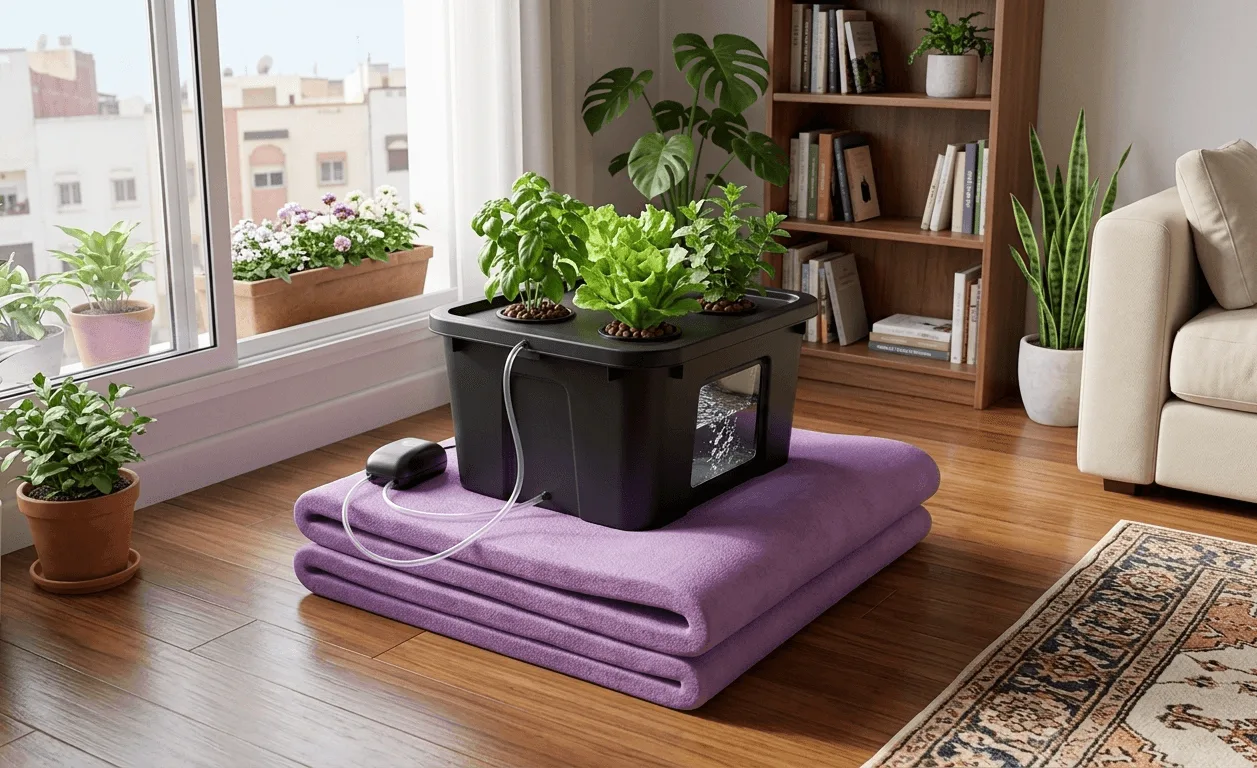
Sitting your system directly on hardwood floors or tile is one of the most common errors. Hard surfaces transmit and amplify every tiny vibration throughout your home. Sliding an old yoga mat underneath the entire setup absorbs a massive amount of acoustic energy and prevents noise from traveling to downstairs neighbors.
I once placed my nursery setup right on my bathroom counter. The vibrations turned the entire vanity into a giant speaker box. One folded towel under the reservoir and the room went instantly quiet. It is one of those fixes that sounds too simple to work until you try it.
Using oversized pumps for tiny systems
Many beginners assume that pushing more air guarantees faster plant growth. Attaching an oversized commercial aerator to a single apartment bucket just creates aggressive, noisy splashing that can damage young roots and splatter moisture onto your floors. Match your device size to your actual system water volume. A gentle bubbling action works perfectly well for small indoor crops. A rolling boil means you are over-aerating. If you are choosing between a pump-based system and a passive setup, the DWC vs Kratky guide for apartment beginners covers the tradeoffs in detail.
📚 Read next
→ Penn State Extension: Hydroponic Systems and Principles
→ UMass Amherst: Cleaning and Disinfecting Systems
→ UF IFAS Extension: Building Indoor Hydroponic Setups
💬 A Word From Sarah
When I built my first indoor garden, the noise almost made me quit entirely. I spent hours staring at the ceiling listening to the relentless buzzing from my kitchen. Once I learned to cushion my hardware properly, my apartment finally felt peaceful again. The fixes are almost embarrassingly simple once you know them. I hope they help you enjoy the quiet, rewarding experience of growing your own food right at home.
❓ Frequently Asked Questions
💰 Can I make a quiet hydroponic pump apartment setup with cheap gear?
Yes. Everyday household items like folded towels, kitchen sponges, and old yoga mats dampen cheap motors effectively. Placement and padding matter far more than the price tag. A $10 silicone mat or a bungee cord from a hardware store can silence a noisy pump better than replacing it with a more expensive model.
🪨 Why does my air stone make so much noise?
Bubbles breaking the water surface create loud splashing, and a clogged air stone forces the motor to push harder, increasing mechanical volume. Cleaning the stone every 2 to 3 weeks usually resolves the issue. If the noise returns quickly after cleaning, the stone may be too worn and ready for replacement, which typically costs under $5.
🔇 Are water pumps quieter than air pumps?
Submersible models run much quieter because the surrounding liquid acts as a natural sound barrier. External air models vibrate aggressively against hard surfaces and are the main noise culprit in most apartment setups. For a completely silent alternative, a passive Kratky setup requires no pump at all, which makes it the quietest option possible for a small kitchen.
📳 How do I stop my water pump from vibrating against the bucket?
Use heavy-duty suction cups to firmly anchor it to the base, or place a 1/2-inch thick silicone mat under the unit. If the suction cups keep failing, wedge a piece of clean aquarium-safe foam between the motor and the bucket wall as a soft bumper. This prevents the plastic-on-plastic rattling that makes most beginners want to give up entirely.
🏠 Will my hydroponic pump disturb my downstairs neighbors?
It can if the system is sitting directly on a hard floor without any padding. The vibrations travel through the structure much more than the airborne sound does. Placing your reservoir on a yoga mat, thick rubber mat, or a folded moving blanket absorbs most of the vibration before it reaches the floor. A well-padded passive or submersible setup typically produces no more noise than a desktop fan at low speed.
🔧 How often should I clean my hydroponic pump to prevent noise?
Check and clean air stones every 2 to 3 weeks. Clean the full pump and tubing every time you do a full nutrient solution change, which should be every 7 to 14 days. A clogged pump works harder, runs louder, and wears out faster. Staying on top of maintenance is the single most effective long-term noise prevention strategy for any apartment system.
🌿 Is a passive Kratky setup a better option if noise is my main concern?
For noise-sensitive apartments, yes. Kratky requires no pump, no electricity for the water system, and produces zero mechanical noise. It works particularly well for lettuce and herbs, which are the most popular crops for apartment growers anyway. The tradeoff is slower growth and less flexibility than a DWC system, but for many apartment growers the silence is worth it.
Happy growing! 🌿
— Sarah, Urban Hydro Space

Sarah is the founder of Urban Hydro Space and an indoor gardening enthusiast dedicated to helping apartment dwellers grow fresh herbs and vegetables in small spaces. With hands-on experience testing hydroponic systems, she shares practical tips and honest product reviews to make indoor gardening accessible for beginners.