⏳ 12 min read · Last updated: March 2026
If your apartment hydroponic plants are looking sickly with yellowing leaves and stunted growth, root rot is often the real culprit. Knowing how to prevent root rot in small hydroponic systems is one of the most important skills you can build as a beginner, and the good news is that it is completely avoidable with a few consistent habits. I learned this the hard way through three dead batches of basil before I figured out what was actually going wrong.
In this guide I will walk you through everything that causes root rot in apartment setups, how to spot it early, and exactly what to do to keep it from coming back. If you are already dealing with yellow leaves alongside the root trouble, the apartment hydroponics yellow leaves fix guide covers the full diagnosis process.
🌿 Understanding Root Rot: The Silent Killer of Hydroponic Plants
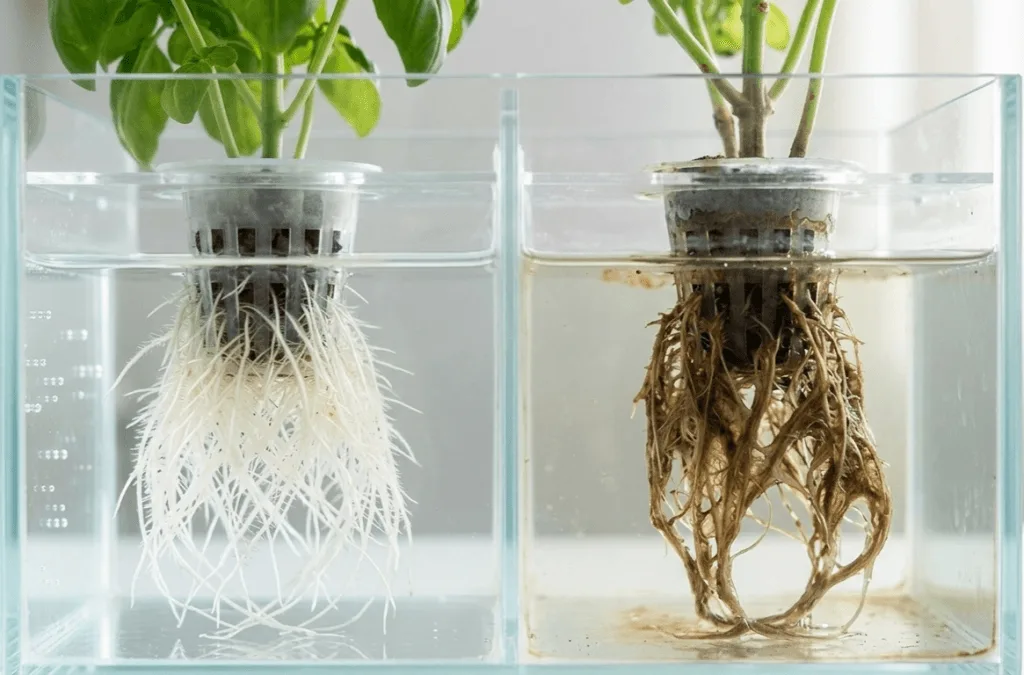
Root rot is a fungal or bacterial disease that attacks your plant’s roots, turning them brown, slimy, and mushy. Healthy roots should be white or off-white and firm. This disease starves your plants of oxygen and nutrients, which often shows up first as yellow leaves, stunted growth, and eventually plant death. It is a common issue for beginners who do not yet realize how quickly a small reservoir can drift out of balance.
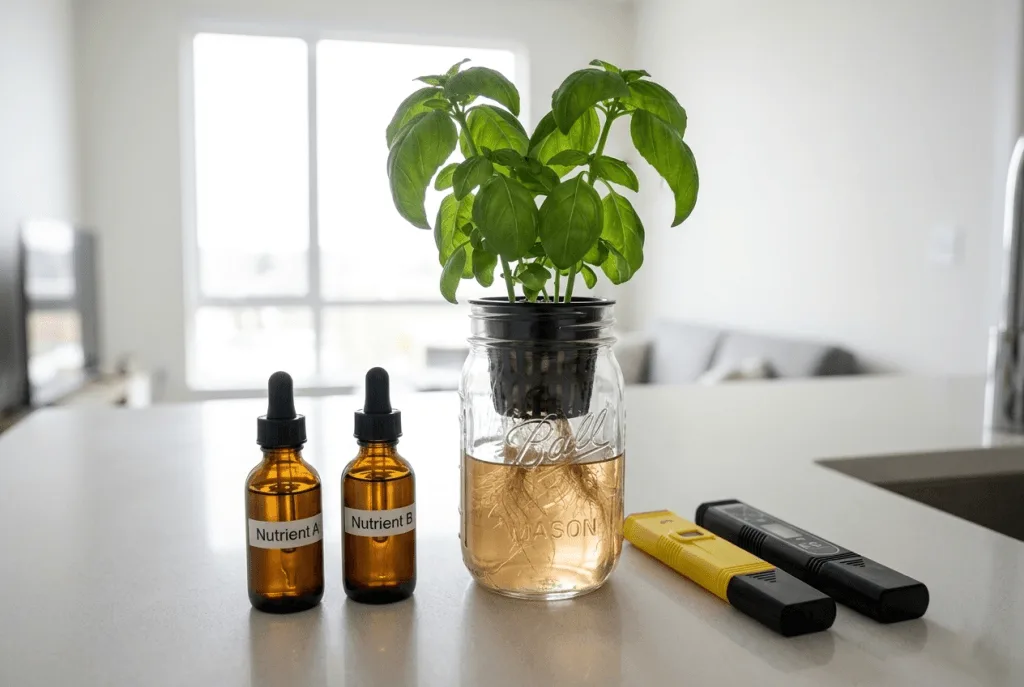
When I first started growing basil in a simple Kratky mason jar setup on my windowsill, I killed my first three batches of plants. Their leaves would turn yellow and growth would just stop. I kept changing the water but the problem persisted. It turned out my tap water pH was consistently at 7.8, which was far too high. That environment made nutrients impossible to absorb, stressed the roots, and left them wide open to rot. It was a tough lesson, but it taught me the importance of proactive prevention.
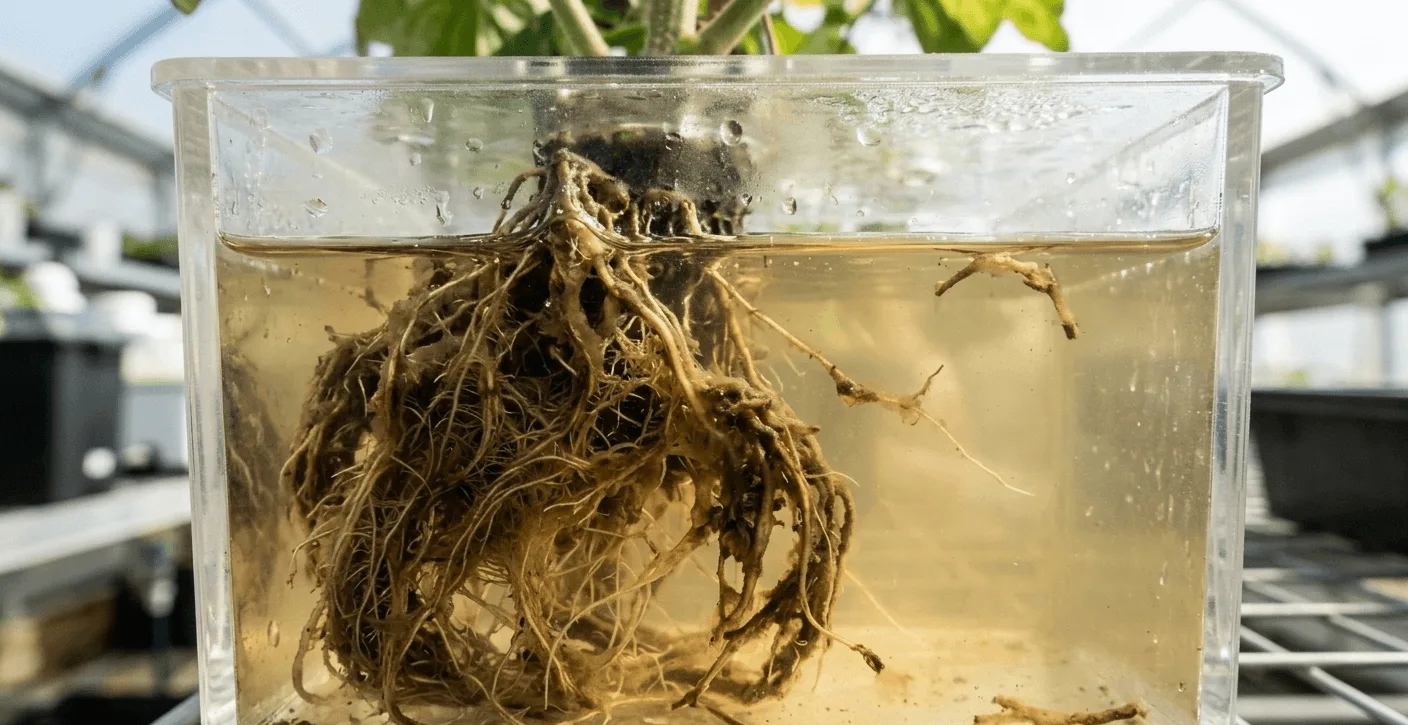
- Maintain optimal water temperature between 65 to 72°F (18 to 22°C) to inhibit pathogen growth.
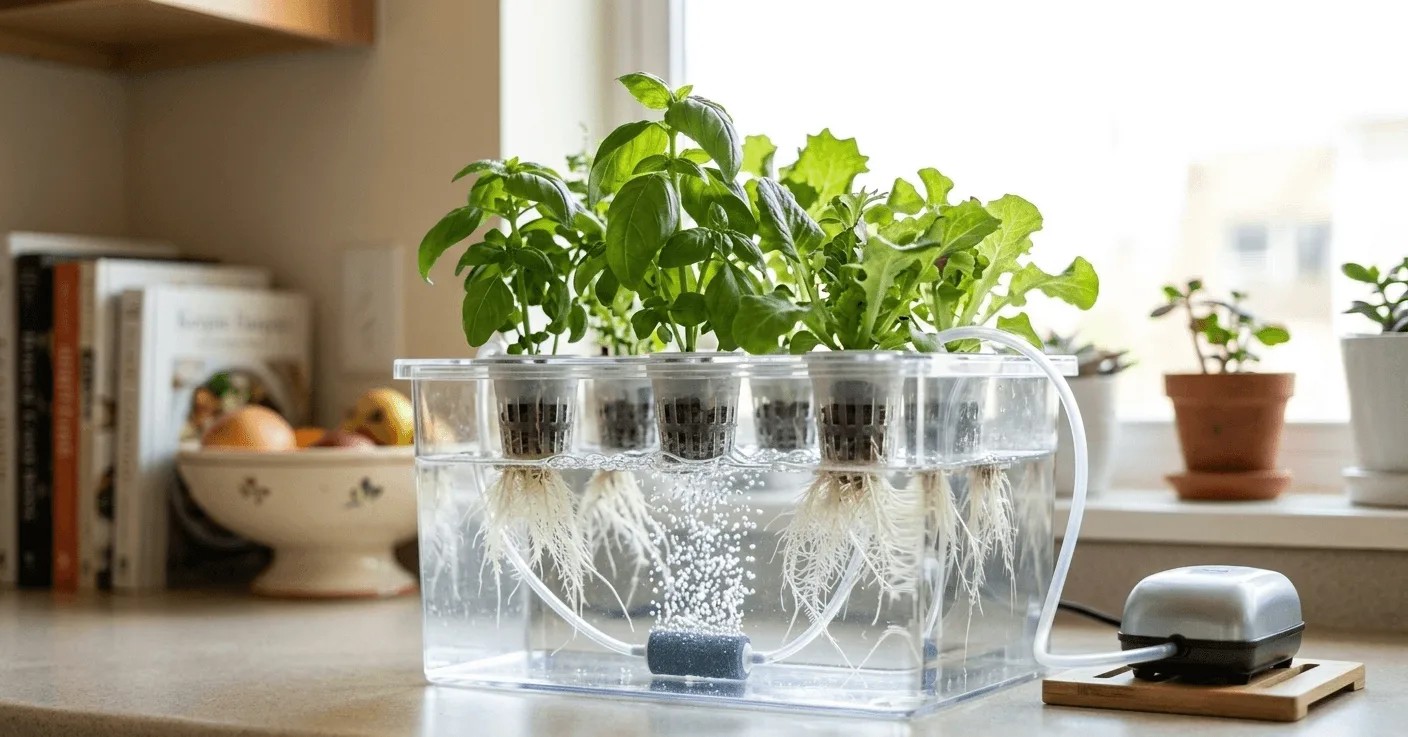
- Ensure proper dissolved oxygen by using an air stone and pump with at least 1 watt per gallon.
- Keep your nutrient solution pH stable within the 5.5 to 6.5 range, checking it daily.
- Change your nutrient reservoir every 7 to 14 days and inspect roots every time you do.
- Just starting out and want to prevent root rot from the beginning → read from the top in order
- Already seeing brown slimy roots → jump to Spotting Early Signs and Saving Your Plants
- Struggling with pH drift → skip to Water Quality and pH
- Want a quick maintenance routine → go to System Sanitation
⚠️ What Causes Root Rot in Small Hydroponic Systems?
Several factors contribute to root rot, especially in contained apartment environments. Lack of oxygen is the primary culprit. Plant roots need oxygen just like we do, and in hydroponics that oxygen comes from dissolved oxygen in the water. If your water becomes stagnant or too warm, dissolved oxygen levels drop significantly. This creates an anaerobic environment where harmful pathogens thrive. High water temperatures, poor sanitation, incorrect nutrient levels, and even the wrong growing medium can all stress roots and make them vulnerable to attack.
🌿 Preventing Root Rot in Small Hydroponic Systems: My Tried-and-True Methods
The best way to deal with root rot is to prevent it from ever starting. For apartment dwellers and beginners, this means focusing on a few key environmental controls. I have personally tested various systems including DWC, Kratky, NFT, and countertop units like AeroGarden and iDOO, and these principles apply universally.
🌡️ Keep Water Temperatures Optimal
Water temperature is incredibly important for root health. Ideal water temperatures for most hydroponic plants are between 65 to 72°F (18 to 22°C). When the water gets too warm, it holds less dissolved oxygen and creates a perfect breeding ground for root-rotting pathogens. This is a common issue in small apartment systems, especially near a sunny window or heat vent. In my own setup, placing even a small fan to circulate air around the reservoir makes a noticeable difference in keeping temperatures stable during warmer months.
You can monitor water temperature with a simple aquarium thermometer. If your reservoir temperature is consistently high, consider these fixes:
- Move your system away from direct heat sources.
- Use a small fan to blow air across the reservoir.
- For larger reservoirs, frozen water bottles can temporarily cool the water.
- Consider painting your reservoir a light color to reflect heat, or wrapping it in insulation.
💨 Ensure Adequate Aeration and Oxygen
Oxygen is vital for healthy roots. In DWC systems, this means using an air pump and air stone to continuously bubble oxygen into the nutrient solution. I always recommend an air pump that provides at least 1 watt per gallon of reservoir water for optimal oxygenation. After running my DWC system for several weeks, I noticed that skimping on air pump wattage led to sluggish growth and the beginnings of root discoloration, so I quickly upgraded.
For Kratky systems, which are passive and do not use air pumps, maintaining an air gap between the net pot and the nutrient solution is essential. This gap allows the roots to access atmospheric oxygen. As the water level drops, more roots are exposed to air, which is why Kratky works well for leafy greens. However, if the water level is kept too high, or if the system becomes stagnant, root rot can easily set in.
🔬 Spotting Early Signs and Fixing Yellow Hydroponic Leaves
Catching root rot early is key to saving your plants. Often the first visible sign above the water line is yellow leaves, general wilting, or stunted growth. These symptoms are non-specific and can also indicate nutrient deficiencies, so it is important to inspect the roots themselves rather than just adjusting the feed.
🔍 How to Inspect Your Hydroponic Roots
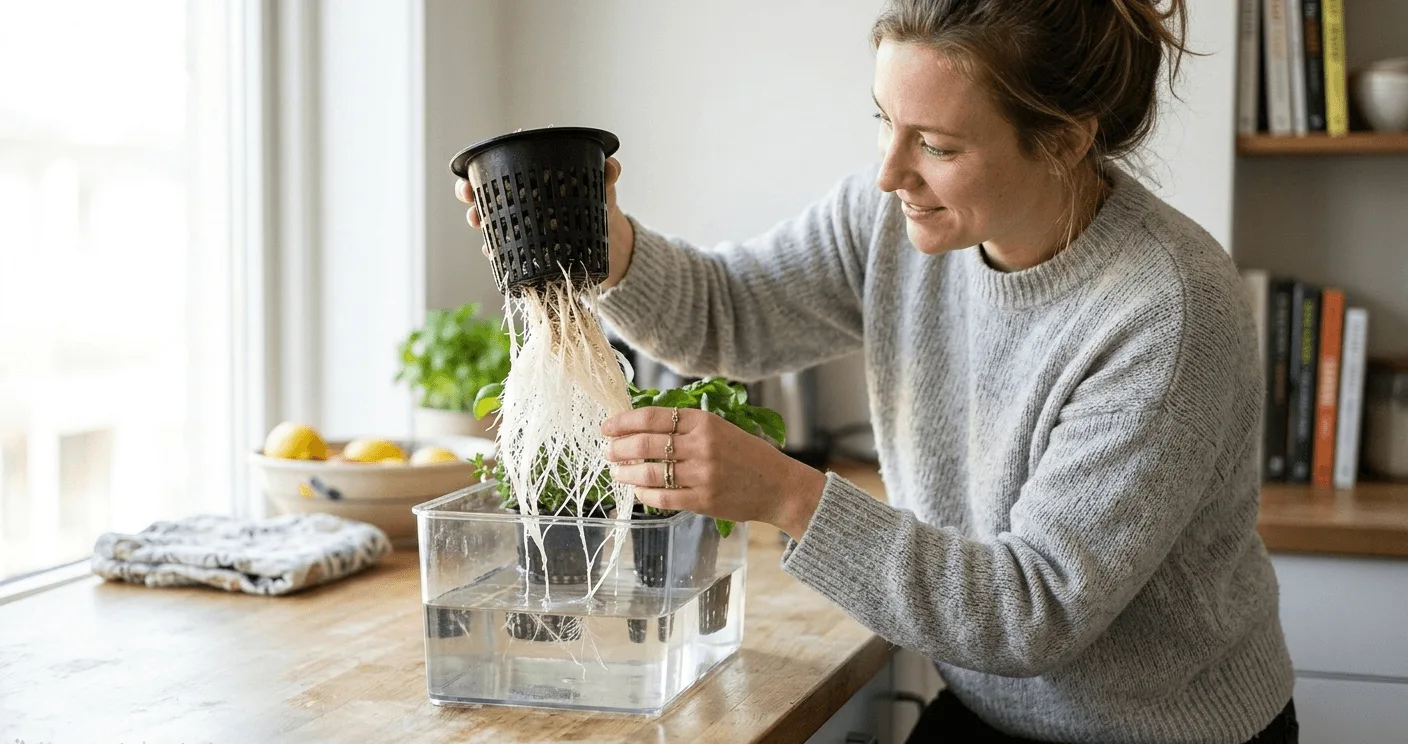
Regular root inspection is part of a good preventative maintenance routine. I check my roots every time I change the nutrient solution, which is typically every 7 to 14 days.
- Gently lift your plant. Carefully remove the net pot from the reservoir. Try not to disturb the roots too much.
- Examine the roots. Healthy roots should be white or creamy white, firm, and have a fresh earthy smell. They will often spread out like a healthy white beard.
- Look for signs of rot. If you see brown, slimy, mushy roots, or if they smell foul and stagnant, you likely have root rot.
If you notice yellow leaves, especially on new growth, this could also signal a nutrient lockout caused by pH issues, which stresses roots independently of rot. You can learn more about why your apartment hydroponic plants turn yellow in my detailed guide.
✂️ Addressing Root Rot and Saving Your Plants
If you do find root rot, do not despair. It is often salvageable, especially if caught early.
- Remove affected roots. Using clean, sharp scissors (sterilize with rubbing alcohol), trim away all brown, slimy, or mushy roots. Cut back to healthy, white tissue.
- Rinse roots. Gently rinse the remaining healthy roots under cool, plain, pH-adjusted water.
- Clean your system. Completely drain and thoroughly clean your reservoir, pump, and air stone with a diluted hydrogen peroxide solution (3% H2O2 at 1 to 2 teaspoons per gallon of water) or a plant-safe sterilizer.
- Refill with fresh solution. Prepare a new batch of nutrient solution with the correct pH (5.8 to 6.2 for most leafy greens) and a slightly lower EC for the first few days to reduce stress. A good starting EC for stressed plants is 0.8 to 1.2 mS/cm.
- Consider root supplements. Add beneficial microbes or enzymes (like Hydroguard or Great White) to the new solution. These help combat harmful pathogens and promote healthy root regrowth.
I have personally saved plants that looked completely doomed by trimming their roots and carefully following these steps. The first time I saw brown slimy roots and a foul smell, I genuinely thought I had to throw the whole system out. You do not. It is amazing how resilient plants can be with a little help. When I first started with my iDOO system, I made the mistake of not cleaning the reservoir thoroughly enough after a root rot incident, and it came back quickly.
💧 The Critical Role of Water Quality and pH in Root Health
Beyond temperature and oxygen, the quality of your water and its pH level are paramount for preventing root rot and ensuring your plants absorb nutrients effectively. Remember my early mistake. My tap water was pH 7.8, and that alone was enough to kill plants repeatedly before I figured out the cause.
🧪 pH Management for Healthy Roots
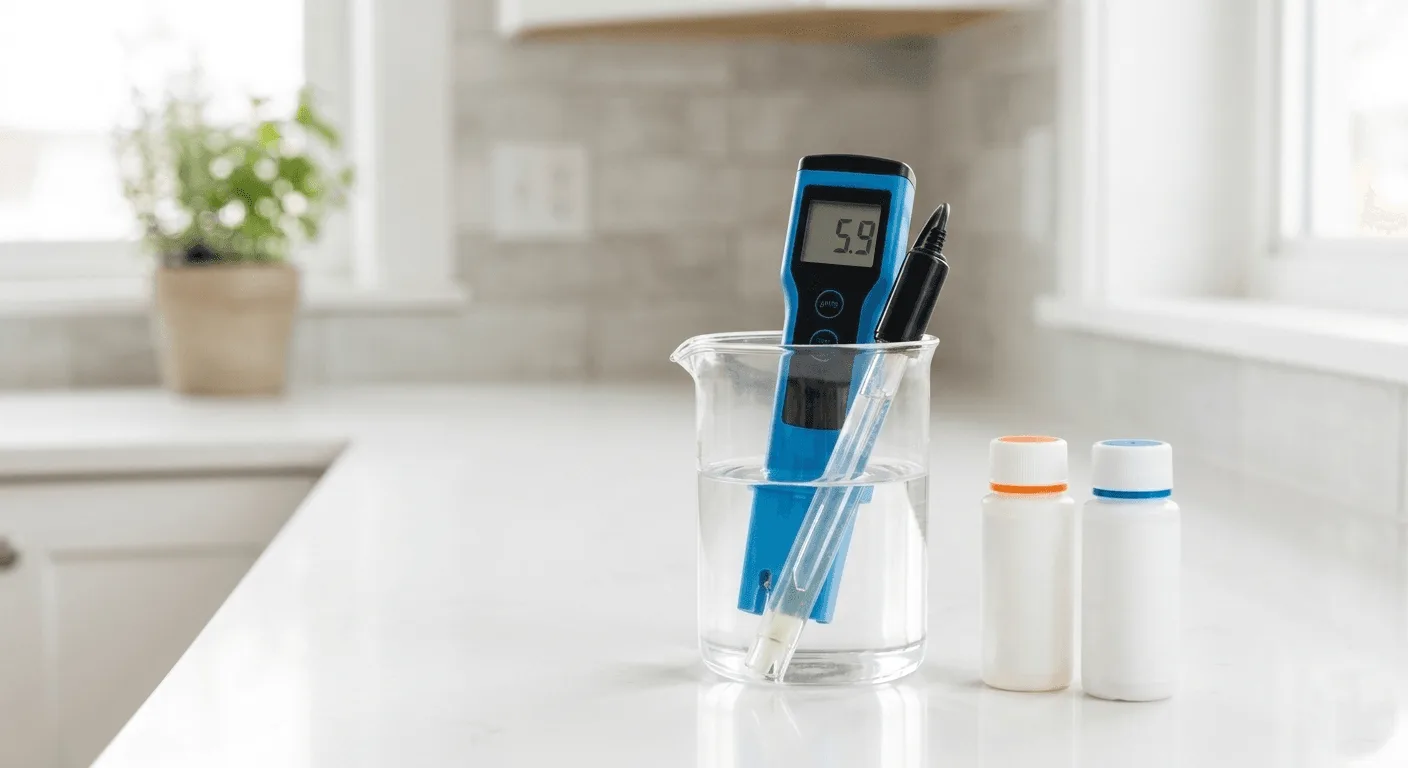
Maintaining the correct pH is fundamental. For most hydroponic plants, the ideal pH range is between 5.5 and 6.5. Lettuce and herbs thrive best in a slightly tighter range of 5.8 to 6.2. If the pH drifts too far outside this range, your plants will not be able to absorb essential nutrients even if they are present in the solution. This leads to nutrient deficiencies, which in turn stress the roots and make them more vulnerable to disease. My AeroGarden used to show this exact problem with yellowing outer leaves before I figured out its pH was consistently creeping up to 7.0 after a few days despite initial adjustments.
I use a simple liquid pH test kit or an affordable digital pH meter to check my solution daily. If the pH is off, I use pH Up or pH Down solutions to adjust it. This quick daily check can save your entire crop. You can learn more about proper feeding schedules in my beginner hydroponic nutrients guide.
🔄 Regular Nutrient Solution Changes
One of the easiest ways to prevent root rot and maintain overall plant health is to regularly change your nutrient solution. I change mine completely every 7 to 14 days, sometimes more frequently if I notice any issues. Over time, nutrient solutions become depleted, pH can drift significantly, and pathogens can build up. In my experience growing spinach and mint year-round in a studio apartment, sticking to a strict 7-day change schedule for fast-growing greens keeps them consistently vibrant and free of root issues.
When you change the solution, it is not just about adding fresh nutrients. It is also an opportunity to:
- Inspect your roots for any signs of trouble.
- Clean your reservoir to remove any biofilm or algae.
- Refill with a precisely mixed, fresh nutrient solution.
This regular refresh helps create a consistently clean and oxygen-rich environment for your roots.
🧼 System Sanitation: A Key to Preventing Root Rot
Good hygiene is essential for preventing root rot in small hydroponic systems. Always use clean equipment. Sterilize scissors or pruning shears before trimming roots or plants. Make sure your hands are clean. Periodically, thoroughly clean your entire system including the reservoir, pumps, air stones, and grow trays. A diluted hydrogen peroxide solution is effective for sanitizing without leaving harmful residues.
The Royal Horticultural Society offers excellent advice on hydroponic best practices, emphasizing the importance of cleanliness. For more detailed information on water quality, the USDA National Agricultural Library has a wealth of information.
📚 Read next for stronger roots and greener leaves
If you have been fighting root rot or yellow hydroponic leaves in a small apartment setup, these guides pick up exactly where this article leaves off.
| Topic | Where to go next | Why it helps |
|---|---|---|
| 🟡 Yellow leaves on your plants | Apartment Hydroponics Yellow Leaves: Simple Fixes That Work | Walks you through the most common causes of yellow hydroponic leaves, from pH swings to root issues, and shows you what to check first. |
| 🧃 Nutrients, EC, and feeding | Beginner Hydroponic Nutrients Guide for Small Apartment Systems | Gives you simple pH and EC targets plus a basic feeding schedule, so you are not guessing when to mix or change nutrient solution. |
| 💧 Choosing the right system | DWC vs Kratky for Apartments: A Beginner’s Complete Guide | Helps you pick between low-maintenance passive setups and aerated systems, based on noise, budget, and how much you want to tinker. |
| 🌿 Crop-specific help | Hydroponic Basil in a Small Apartment: Foolproof Beginner Guide | Shows you how all the root-rot prevention habits look in a real crop from seed to harvest, including pruning and weekly care. |
| 🌱 Simple jar setups | How to Set Up a Kratky Lettuce Jar on a Sunny Windowsill | Walks you through a small, silent Kratky jar build that uses the same water, pH, and root care habits you just learned here. |
💬 A Word From Sarah
Growing plants in a tiny apartment, especially with hydroponics, comes with its unique challenges, but solving them is so rewarding. I have made every mistake in the book, including dealing with root rot and wondering why my plants had yellow hydroponic leaves, so you do not have to. A little attention to detail goes a long way to keeping your roots happy and healthy.
❓ Frequently Asked Questions
🔄 Can I reuse nutrient solution to prevent root rot?
No, reusing nutrient solution is not recommended. Over time the nutrient balance changes as plants selectively absorb certain elements, and pathogens can build up in the old water. For optimal plant health and to prevent root rot, always use fresh nutrient solution and change it completely every 7 to 14 days. Topping off with plain pH-adjusted water between changes is fine, but it does not replace a full reset.
🌱 What do healthy hydroponic roots look like?
Healthy hydroponic roots are typically white or creamy white, firm to the touch, and have a clean earthy smell. They should spread out freely without appearing matted or clumped. Any brown coloration, sliminess, or foul odor is a sign of trouble and almost always indicates root rot. Check your roots every time you do a reservoir change so you catch problems early.
🧪 How often should I check my pH to prevent root rot?
For small hydroponic systems, especially for beginners, checking your pH daily is a good habit. pH can fluctuate due to plant uptake, water evaporation, and nutrient additives. Maintaining a stable pH between 5.5 and 6.5 (or 5.8 to 6.2 for leafy greens) is vital for nutrient absorption and for minimizing root stress, which directly reduces your risk of root rot developing.
🦠 Are beneficial bacteria necessary to prevent root rot in small systems?
Not strictly necessary if all other conditions are well managed, but beneficial bacteria and fungi supplements like Hydroguard or Great White are a valuable extra layer of protection. They colonize the roots, form a protective barrier, and outcompete harmful pathogens. Many experienced growers, including me, find them worth the small added cost, especially in warmer apartments where root rot pressure is higher.
🌡️ What water temperature should I keep in my hydroponic reservoir?
Keep your reservoir between 65 and 72°F (18 to 22°C) for most herbs and leafy greens. Water above 72°F holds significantly less dissolved oxygen and creates an environment where root-rotting pathogens multiply rapidly. In warm apartments during summer, this is one of the hardest variables to control. A small fan circulating air around the reservoir or a frozen water bottle dropped in occasionally can bring temperatures back down quickly.
💡 Can root rot cause yellow leaves even if I am feeding my plants correctly?
Yes. Root rot physically damages the tissue that absorbs water and nutrients, so even a well-mixed, correctly pH-adjusted solution cannot reach the plant properly once roots are compromised. The result looks exactly like a nutrient deficiency: pale, yellowing leaves and slow growth. If you are feeding correctly but still seeing yellow leaves alongside drooping or a bad reservoir smell, inspect the roots immediately before adjusting your nutrients.
🚿 How do I clean a hydroponic reservoir after root rot?
Completely drain the reservoir and dispose of the old nutrient solution. Scrub all surfaces including the walls, pump, and air stone with a diluted hydrogen peroxide solution using 3% H2O2 at 1 to 2 teaspoons per gallon of water. Rinse thoroughly with plain water before refilling. Trim any brown or slimy roots back to healthy white tissue, then refill with fresh nutrient solution at a slightly lower EC of 0.8 to 1.2 mS/cm to reduce stress on the recovering plant.
Happy growing! 🌿
— Sarah, Urban Hydro Space

Sarah is the founder of Urban Hydro Space and an indoor gardening enthusiast dedicated to helping apartment dwellers grow fresh herbs and vegetables in small spaces. With hands-on experience testing hydroponic systems, she shares practical tips and honest product reviews to make indoor gardening accessible for beginners.