⏳ 15 min read · Last updated: March 2026
If you are dealing with apartment hydroponics yellow leaves, the cause is usually easier to find than it first seems. In most small indoor systems, yellowing comes down to a few fixable issues: pH drift, nutrient imbalance, root stress, poor oxygen, or weak lighting.
I learned this the frustrating way in my own apartment. My first basil and lettuce batches looked fine one week, then pale and tired the next. At first, I kept adding nutrients because I thought more food would solve everything. However, the real problem was that I was not checking the right things in the right order.
🌿 What Apartment Hydroponics Yellow Leaves Usually Mean
Small apartment hydroponic systems can drift out of balance faster than larger setups. A tiny reservoir warms up sooner, pH can swing more quickly, and root problems can build quietly before the leaves show obvious damage. Because of that, beginners often feel like the plant failed overnight. In reality, the warning signs usually start earlier. Once you know what to watch for, apartment hydroponics yellow leaves become much easier to diagnose and fix.
Yellowing is a symptom, not the diagnosis. In most cases it appears when the plant cannot absorb nutrients properly, when the roots are stressed, or when growing conditions stay slightly off for too long. The biggest mistake is changing too many things at once. As a result, small issues often turn into bigger ones.
👩🌾 About this guide
Written for beginners growing in small apartments, countertop systems, mason jars, Kratky containers, and compact DWC setups. It combines real troubleshooting experience with practical hydroponic guidance for home growers.
- Apartment hydroponics yellow leaves are usually caused by pH drift, nutrient imbalance, root stress, or lighting problems.
- Check pH first before changing anything else.
- Look at where the yellowing starts. Older leaves and newer leaves often point to different issues.
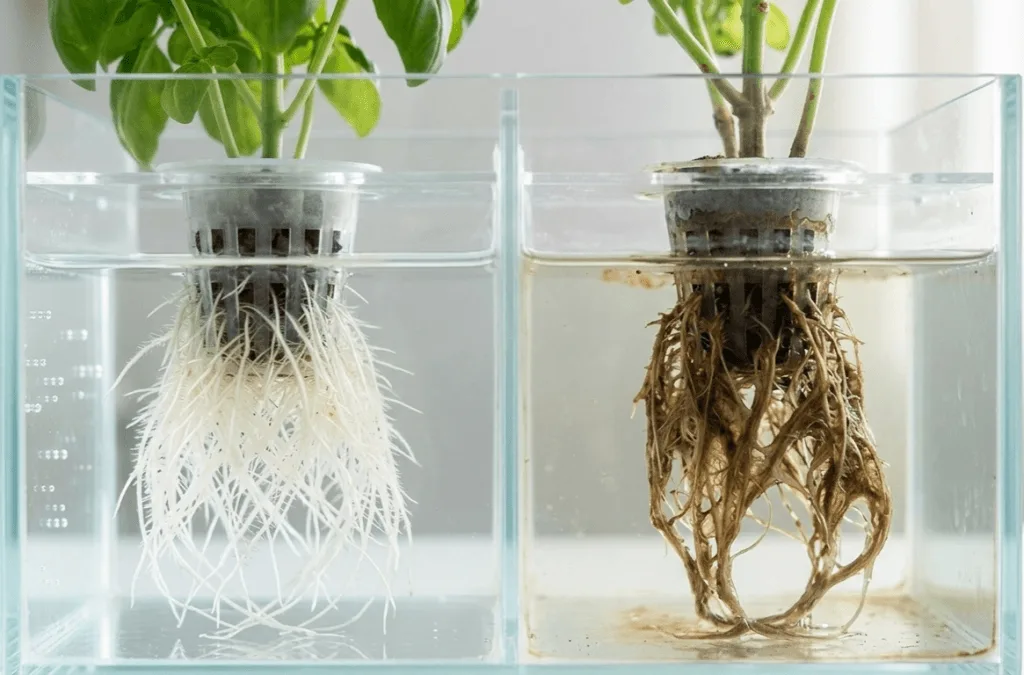
- Healthy roots should look light-colored and smell fresh, not brown, slimy, or swampy.
- A full nutrient refresh is often better than making random small adjustments.
🔎 Quick diagnosis table
| What you see | Most likely cause | Check this first |
|---|---|---|
| 🟡 Older leaves yellow first | Weak nutrients, old solution, or pH drift | Test pH, then review reservoir age |
| 🟡 New leaves yellow between greener veins | Micronutrient lockout, often from high pH | Check pH before adding more nutrients |
| 🤢 Whole plant pale and droopy | Root stress, stale water, low oxygen, or poor light | Inspect roots, water temperature, and light hours |
| 🟤 Brown slimy roots plus yellow leaves | Root rot or oxygen-poor water | Replace solution, clean the system, improve aeration |
| 🍂 Yellow edges or faded top leaves | Light stress or nutrient imbalance | Check light distance and recent feeding changes |
- Not sure what is wrong yet → start with What to Check First
- You know pH is the issue → jump to pH Problems
- Roots look brown or smell bad → skip to Root and Water Problems
- Want to prevent this from happening again → go to Prevention Routine
- What Apartment Hydroponics Yellow Leaves Usually Mean
- What to Check First
- pH Problems Behind Apartment Hydroponics Yellow Leaves
- Nutrient Problems That Cause Apartment Hydroponics Yellow Leaves
- Root and Water Problems Behind Apartment Hydroponics Yellow Leaves
- Light Problems Behind Apartment Hydroponics Yellow Leaves
- Pests and Disease
- How to Prevent Apartment Hydroponics Yellow Leaves
- A Word From Sarah
- Frequently Asked Questions
🧪 What to Check First
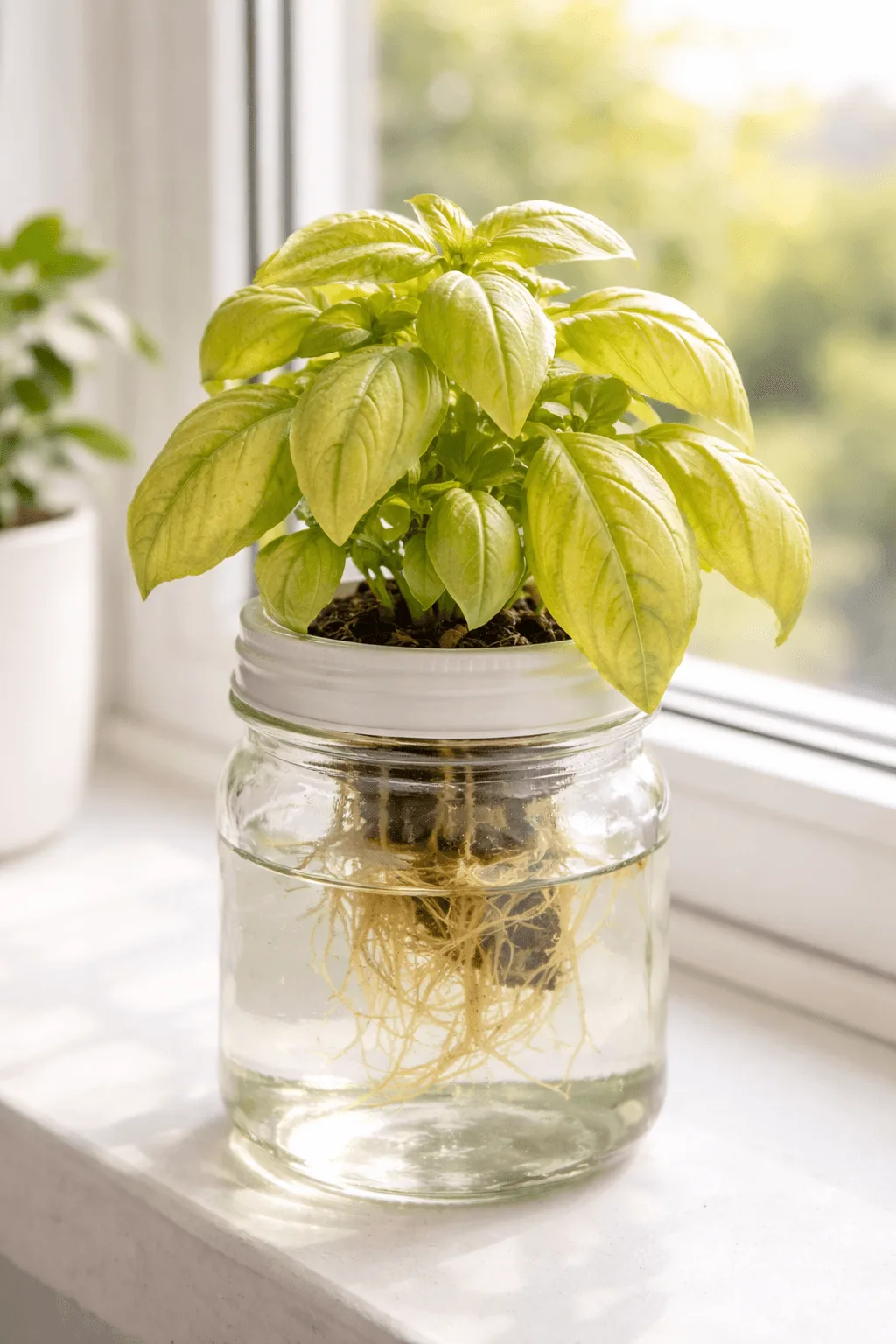
If your plant is fading, do these checks in order. This routine keeps you from guessing and saves a lot of frustration. First, check pH. Next, inspect the roots. After that, review the nutrient solution and the light setup.
- Check pH first. If pH drifts too far, the plant can act hungry even when nutrients are present.
- Inspect the roots. Healthy roots should look light-colored and smell clean.
- Review your nutrient solution. Ask when you last changed the full reservoir, not just topped it off.
- Check light hours and light distance. Plants can yellow from too little light or from stress if the light is too close.
- Look for pests. Check under leaves, around net pots, and near damp growing media.
💧 pH Problems Behind Apartment Hydroponics Yellow Leaves
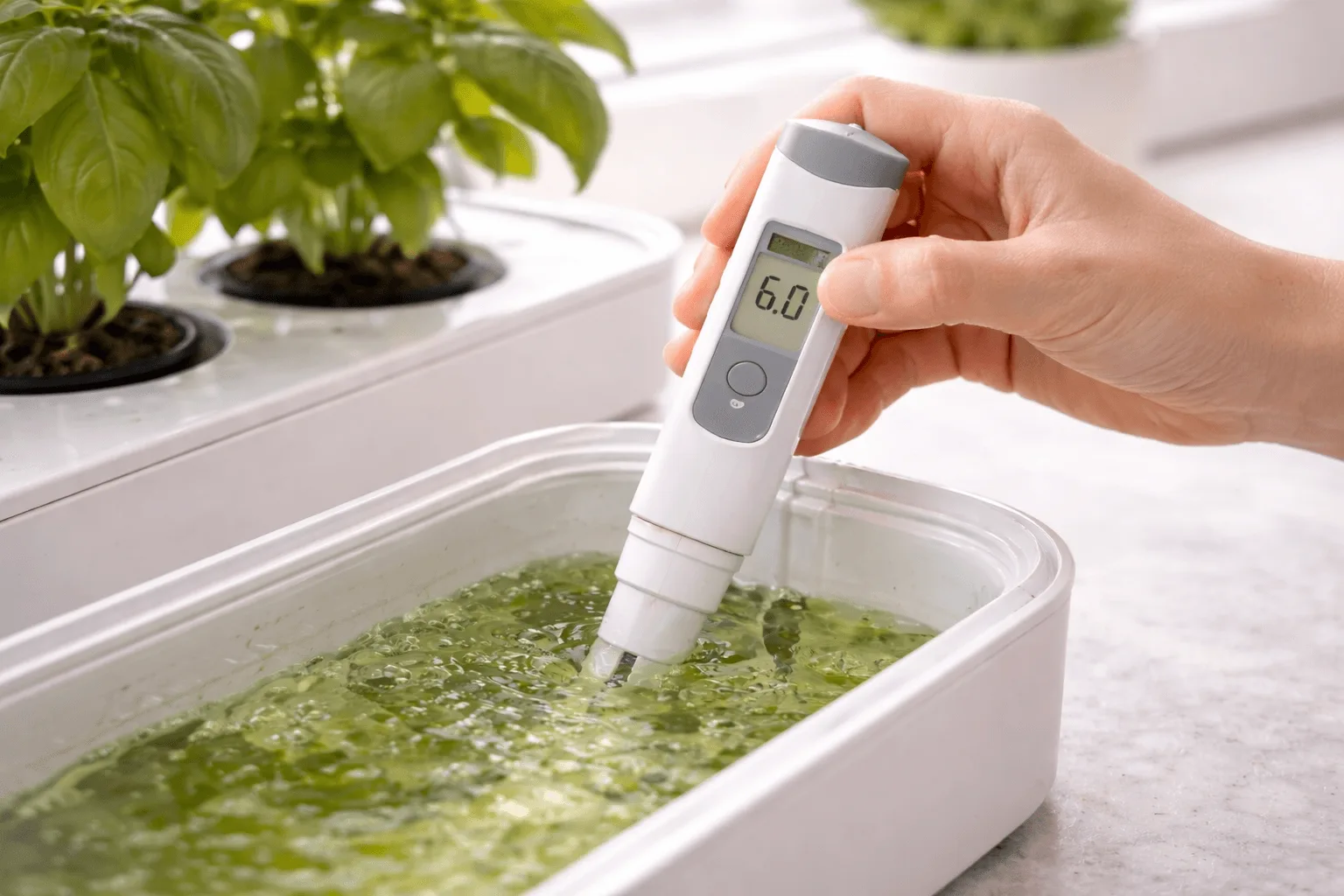
pH is one of the biggest reasons beginners end up with apartment hydroponics yellow leaves. Even when nutrients are present, the plant can still look starved if the solution drifts out of range. For home hydroponic leafy greens, many growers aim for a mildly acidic pH range of 5.5 to 6.2. Checking pH first often reveals the real cause much faster than adding extra nutrients.
How to test and adjust pH
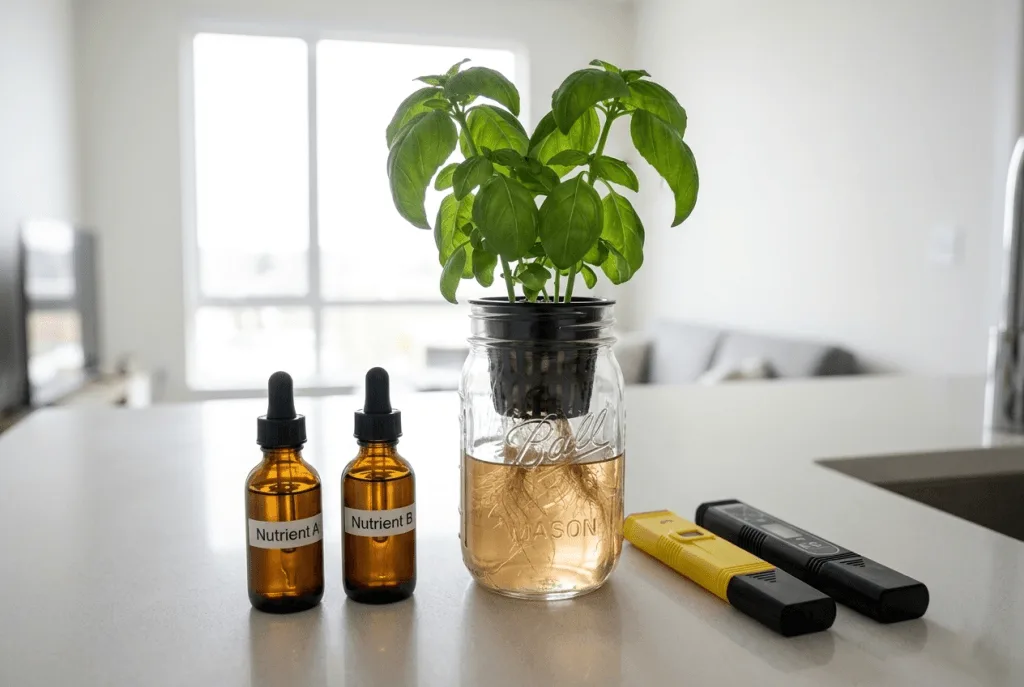
- Use a reliable digital pH meter or fresh testing drops.
- Test after mixing nutrients thoroughly.
- Adjust in small steps with pH Up or pH Down.
- Retest after the water has been mixed well.
If you need a full feeding walkthrough, read this guide: Beginner Hydroponic Nutrients Guide for Small Apartment Systems.
🧃 Nutrient Problems That Cause Apartment Hydroponics Yellow Leaves
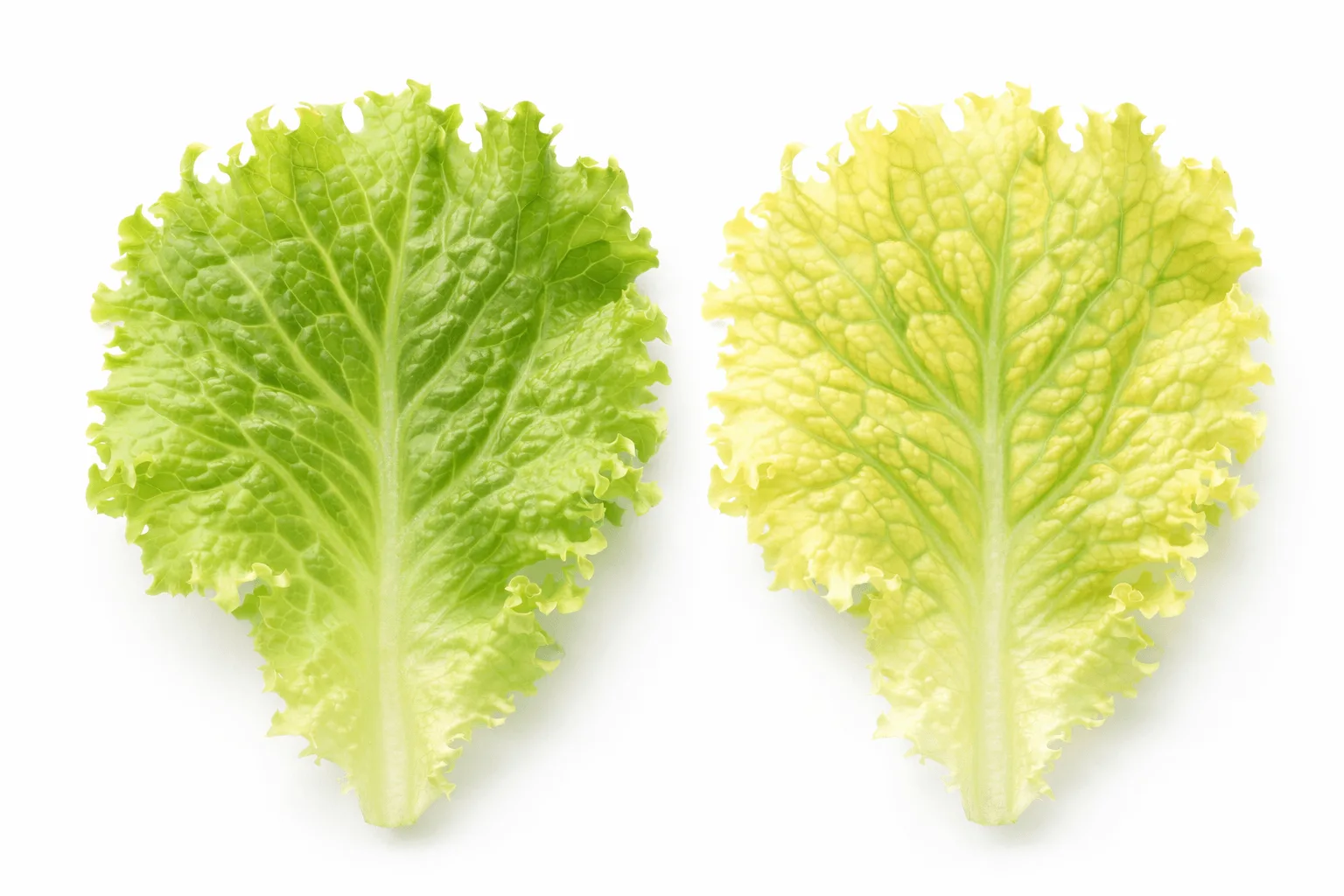
Once pH looks reasonable, review the nutrient solution itself. Check whether the reservoir is too old, too weak, mixed incorrectly, or simply overdue for a full refresh. The location of the yellowing gives you clues. Older leaves often point to one type of imbalance, while newer leaves can point to another. That is why blindly adding more food wastes time and can make things worse.
| Yellowing pattern | Likely clue | Best first action |
|---|---|---|
| 🟨 Older lower leaves fade first | Weak nutrients, stale reservoir, or pH issue | Check pH, then refresh the nutrient solution |
| 🟨 New leaves yellow between veins | Often linked to micronutrient lockout | Check pH before adding more nutrients |
| 🍂 Yellow or brown leaf edges | Possible imbalance, excess salts, or stress | Refresh solution and review recent feeding changes |
| 😕 Pale overall color | Solution may be too weak for the plant’s size | Check the feed schedule and growth stage |
Why full reservoir changes matter
A small beginner system can look fine from the outside while the nutrient balance inside slowly drifts out of shape. A full refresh is often more useful than endless topping off. For many apartment systems, a reset every 7 to 14 days is a practical starting routine. If you have only been topping off with plain water for a while, the solution may no longer be balanced enough to support healthy growth. A full reset is often the fastest fix.
🫧 Root and Water Problems Behind Apartment Hydroponics Yellow Leaves
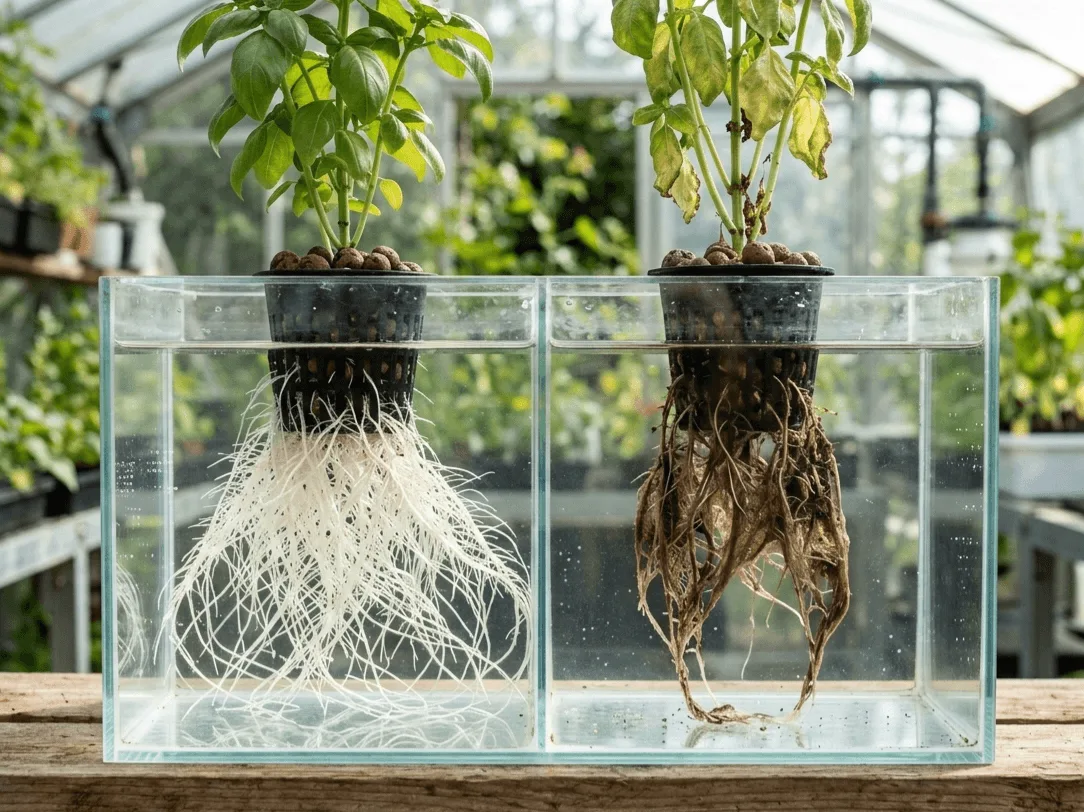
When apartment hydroponics yellow leaves show up with drooping, slow growth, and bad-smelling water, root stress moves to the top of the suspect list. This is one of the easiest problems to miss because the leaves make it look like a feeding issue when the real trouble is below the net pot. Warm water, poor oxygen, and dirty reservoirs make roots struggle fast.
Signs the roots are the real issue
- Leaves yellow and droop at the same time.
- Growth slows even when the light schedule is fine.
- Roots look tan, brown, mushy, or slimy.
- The reservoir smells sour, stale, or swampy.
What to do right away
- Dump the old nutrient solution.
- Clean the reservoir and exposed surfaces thoroughly.
- Refill with fresh nutrient solution at the correct pH.
- Improve oxygenation if your system uses standing water.
- Keep the reservoir away from heat and direct sun.
If root problems keep showing up, read this next: How to Prevent Root Rot in Small Hydroponic Systems Before It Starts.
If you are deciding between passive and active methods, this comparison also helps: DWC vs Kratky for Apartments.
💡 Light Problems Behind Apartment Hydroponics Yellow Leaves
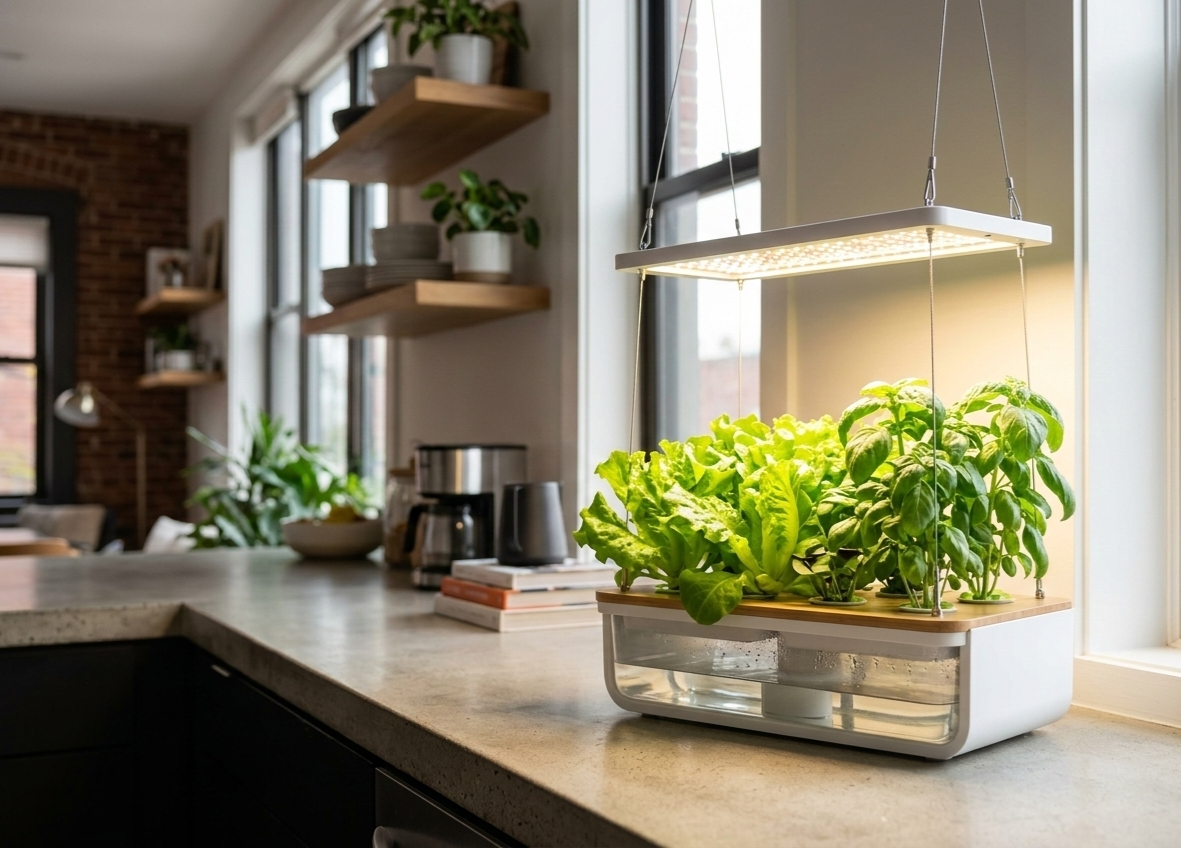
Light is another common reason for weak, pale growth. Too little light usually causes washed-out leaves and slow growth. On the other hand, too much close-range intensity can stress the top leaves and make them fade or crisp up.
Not enough light
- Plants look pale instead of rich green.
- Stems stretch and get leggy.
- Growth feels slow even when roots look okay.
Too much light or a light that is too close
- Top leaves bleach, yellow, or crisp up.
- Damage is strongest near the lamp.
- The plant looks stressed even though pH and roots seem okay.
If your lights are inconsistent, fix that first. Your light schedule is a good companion: Apartment Hydroponic Light Schedule for Your 9-to-5 Job.
🐛 Pests and Disease
Not every yellow leaf problem is nutritional. Once you rule out pH, roots, and light, pests and disease become much easier to spot. Pest damage often comes with spotting, stippling, sticky residue, or visible insects under leaves. Disease, by contrast, often brings spotting, mushy tissue, or a general decline that does not improve after a normal reservoir change.
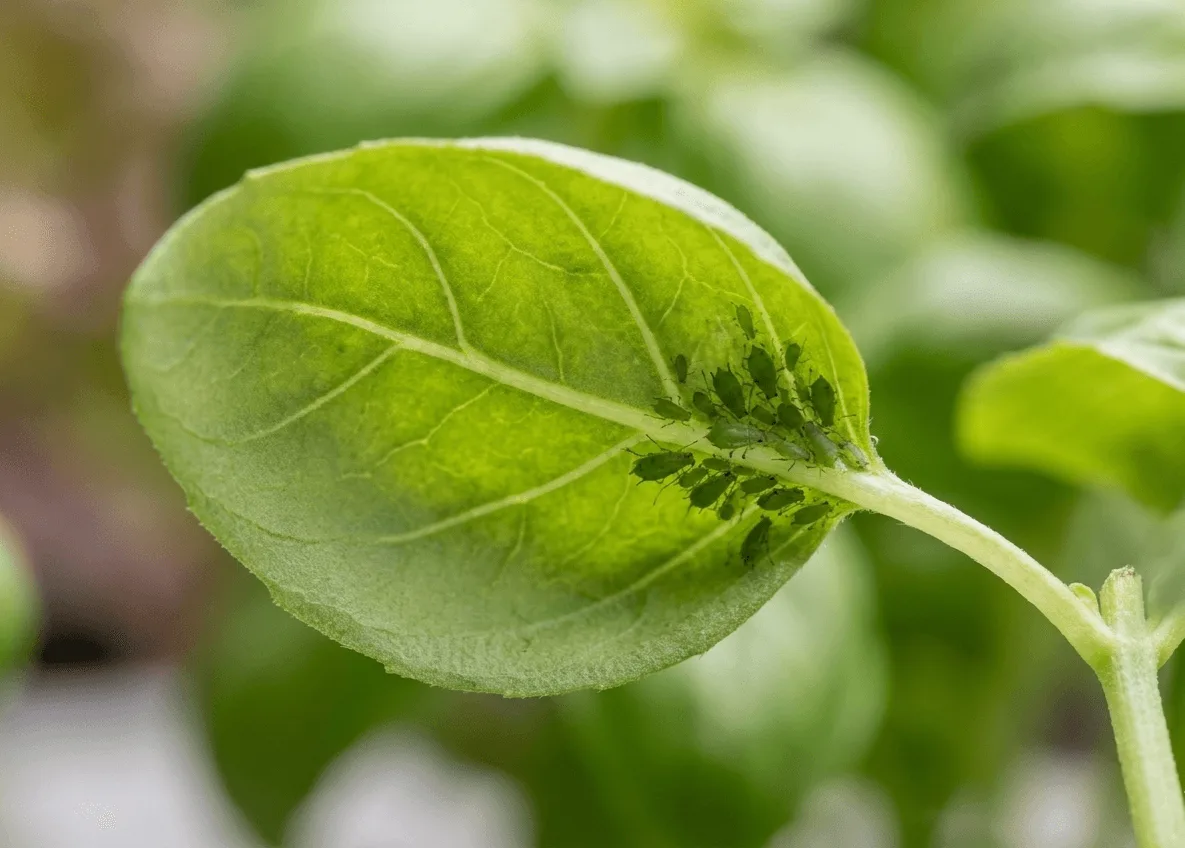
- Check under the leaves, not just on top.
- Inspect damp corners of the setup and the grow media surface.
- Isolate suspicious plants early if something looks off.
✅ How to Prevent Apartment Hydroponics Yellow Leaves
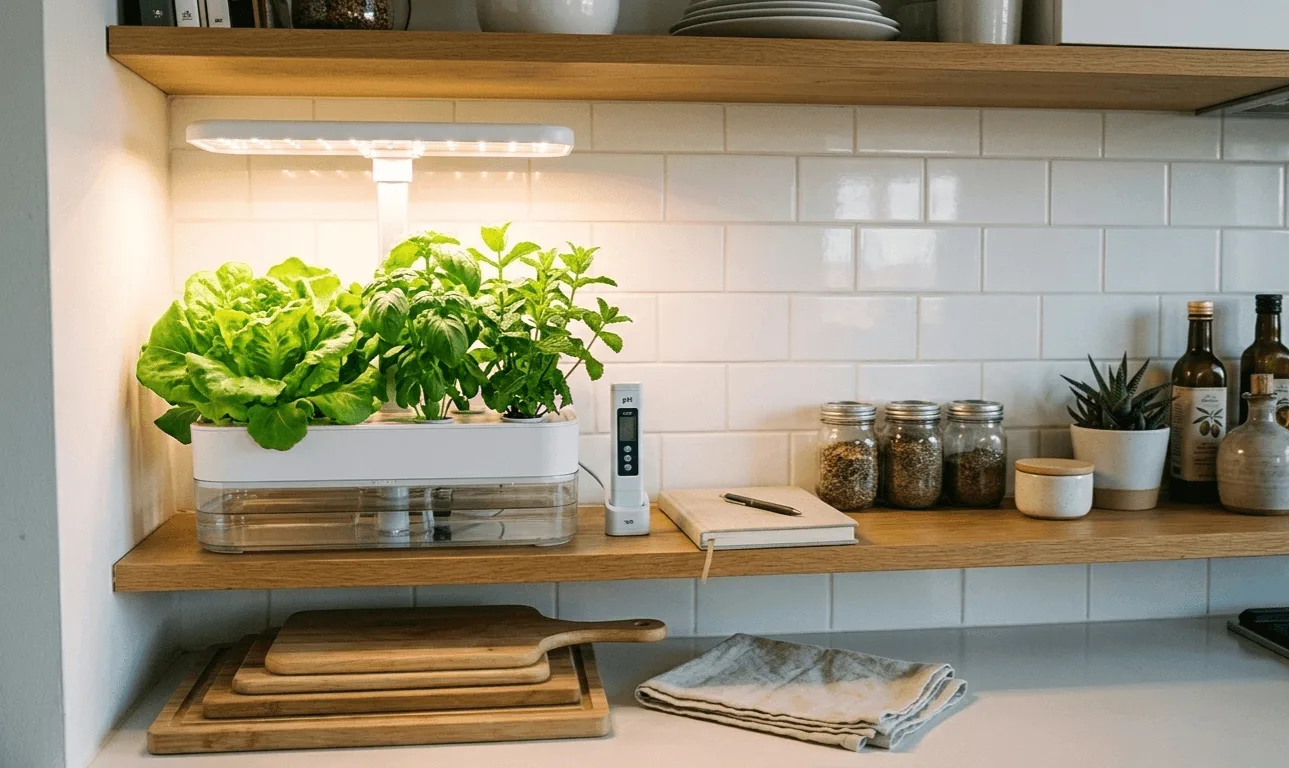
Once you know the main causes, prevention gets much easier. A simple routine matters more than making random adjustments every time a leaf changes color.
| Routine | What to do |
|---|---|
| 📅 Daily | Look for leaf color changes, drooping, or obvious pests |
| 🧪 Every day or two | Check pH, especially in newly mixed or unstable systems |
| 💧 Every few days | Check water level, root smell, and light timer consistency |
| 🔁 Every 7 to 14 days | Refresh the full nutrient solution and clean what needs cleaning |
| 🧼 Anytime something looks wrong | Slow down, diagnose the pattern, and change one thing at a time |
→ Beginner Hydroponic Nutrients Guide
→ How to Prevent Root Rot in Small Hydroponic Systems
→ DWC vs Kratky for Apartments
→ Apartment Hydroponic Light Schedule
→ Purdue guide to home hydroponics for leafy greens
→ Royal Horticultural Society guide to nutrient deficiencies
💬 A Word From Sarah
Yellow leaves used to make me feel like I was failing at hydroponics. I was not. I was just missing the pattern. Once I started checking pH first, looking at the roots, and keeping my routine more consistent, things changed fast. So if your plants are yellowing right now, do not panic. Slow down, work through the checks one by one, and let the plant show you what it needs.
❓ Frequently Asked Questions
🌿 Why are only the bottom leaves turning yellow in my hydroponic system?
If older lower leaves are yellowing first, the plant is often moving nutrients away from those leaves to support newer growth. In a small apartment setup, that usually points to pH drift, an aging nutrient solution, or a feed mix that is too weak for the plant’s current size. Check pH first, then assess how recently you changed the full reservoir before adding anything else.
💚 Can apartment hydroponics yellow leaves turn green again?
Sometimes lightly faded leaves improve a little if you catch the problem early enough. Fully yellow leaves usually stay yellow regardless of what you do. The real sign of recovery is healthier new growth appearing after you fix the root cause. Focus on the new leaves coming in, not on reversing the ones that have already changed color.
🔄 How often should I change nutrient water in a small apartment hydroponic system?
For most beginner setups, a full reservoir change every 7 to 14 days is a practical starting point. Fast-growing plants, warmer rooms, and heavy feeding can shorten that timeline. If the water smells off or the roots look stressed, refresh it sooner. Topping off with plain water between changes is fine, but it does not replace a full reset.
🧪 What pH should I aim for if apartment hydroponics yellow leaves keep coming back?
For leafy greens and herbs, aim for a pH of 5.5 to 6.2. If the pH keeps drifting above 6.5, your plant can act hungry even when nutrients are already present in the reservoir because the minerals chemically lock together and become unavailable to the roots. Check pH daily when you are first starting out until you understand how quickly your system naturally drifts.
🦠 How do I know if yellow leaves are from root rot or a nutrient problem?
Root rot yellowing almost always comes with other warning signs: drooping that does not improve after watering, a sour or swampy smell from the reservoir, and roots that look brown, slimy, or mushy when you check below the net cup. Nutrient problems usually show up in the leaves first without the smell or dramatic drooping. If you see both yellowing and drooping together, inspect the roots before adjusting any nutrients.
💡 Can too much or too little light cause yellow leaves in hydroponics?
Yes, both can cause yellowing. Too little light makes leaves pale and washed out overall, with stems stretching toward the light source. Too much intensity or a light placed too close bleaches and yellows the top leaves nearest the lamp while lower leaves stay greener. If pH and roots check out fine but yellowing persists, adjust your light distance by an inch or two and observe for 48 hours before making another change.
🐛 Could pests be causing yellow leaves in my apartment hydroponic system?
Yes, though pests are less common than pH or nutrient issues in clean indoor setups. Spider mites, fungus gnats, and aphids can all cause spotting, stippling, or general yellowing if left unchecked. The easiest way to tell: if one plant is yellowing while others nearby look healthy, inspect the underside of the leaves and the growing media closely. If everything is fading together, pH and nutrients are more likely the cause.
Happy growing! 🌿
— Sarah, Urban Hydro Space

Sarah is the founder of Urban Hydro Space and an indoor gardening enthusiast dedicated to helping apartment dwellers grow fresh herbs and vegetables in small spaces. With hands-on experience testing hydroponic systems, she shares practical tips and honest product reviews to make indoor gardening accessible for beginners.